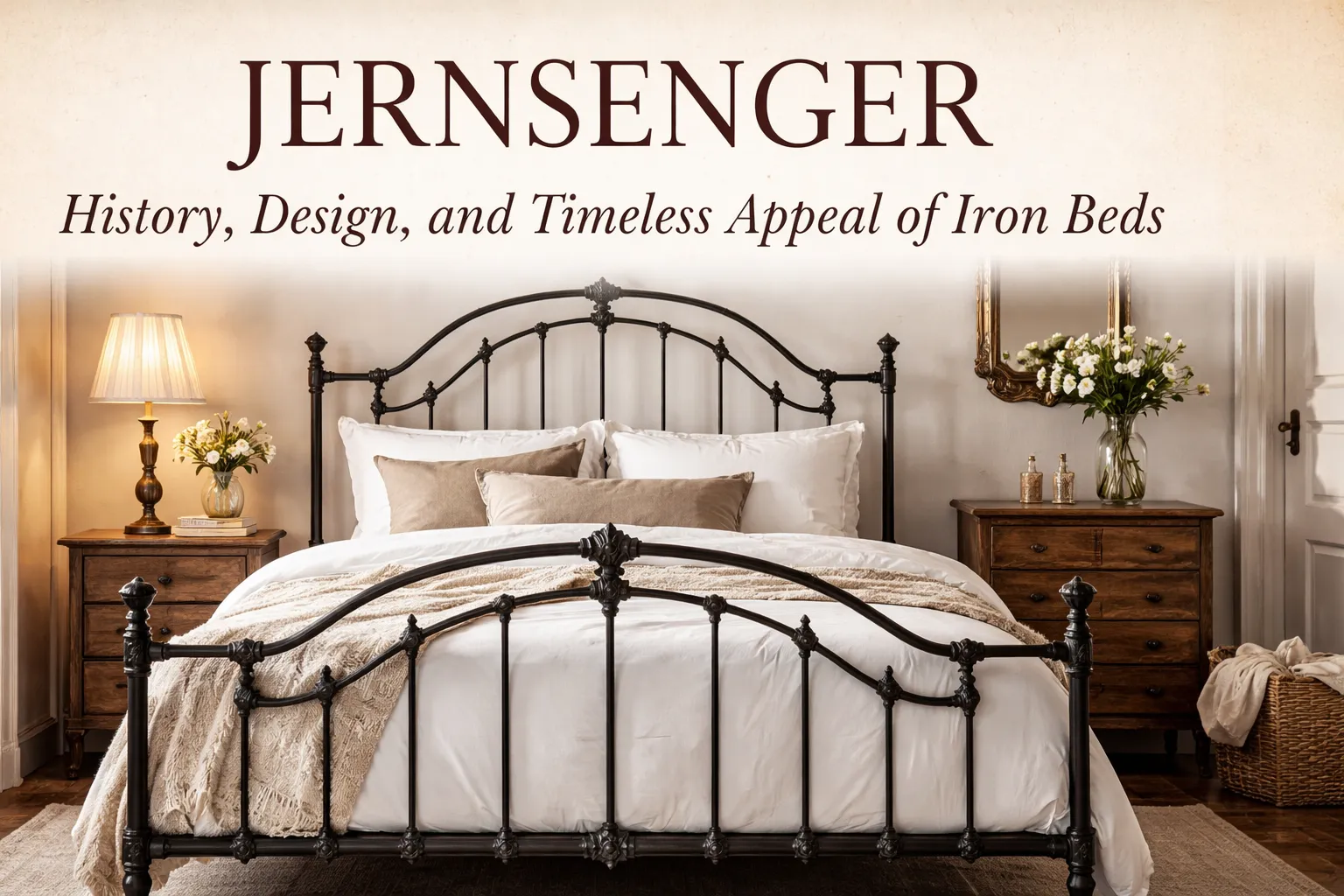
Jernsenger refers to iron bed frames that originated in Scandinavian and European furniture traditions. Over the years, these beds have become known for their durability, elegant metal designs, and historical significance. While modern furniture trends change frequently, jernsenger continue to attract attention because they combine strength, craftsmanship, and timeless style.
Iron beds have existed for centuries, but the popularity of jernsenger grew especially during the nineteenth century when metal furniture became more widely produced. At that time, iron beds were considered a practical improvement over wooden beds because they were more hygienic and resistant to pests. Today, these beds are appreciated not only for their practicality but also for their vintage charm and decorative value.
Understanding jernsenger means exploring more than just furniture. It involves learning about cultural craftsmanship, historical manufacturing methods, and the ways design traditions evolve over time. In modern homes, jernsenger represent a balance between classic European design and contemporary interior aesthetics.
The Meaning and Linguistic Origin of Jernsenger
The word jernsenger comes from Scandinavian languages, particularly Danish and Norwegian. It is a compound word made up of two parts. The first part, “jern,” means iron, while the second part, “senger” or “senge,” refers to beds. When combined, the term simply means iron beds or iron bed frames.
Although the translation is straightforward, the meaning of jernsenger carries cultural and historical depth. In Scandinavian design traditions, furniture often emphasizes durability, practicality, and minimalistic beauty. Iron beds fit perfectly within this philosophy because they are strong, functional, and visually elegant.
In English-language discussions, the term jernsenger is sometimes used when referring specifically to Scandinavian-style iron beds or antique iron furniture. However, the broader concept includes many types of metal bed frames used throughout Europe and other parts of the world.
The linguistic roots of the word also highlight the importance of craftsmanship in Scandinavian culture. Furniture was often built to last for generations, and materials like iron were valued for their strength and longevity.
The Historical Development of Jernsenger
To understand the significance of jernsenger, it is important to look at the historical context in which iron beds became popular. Before the nineteenth century, most beds were constructed from wood. While wooden beds were attractive and widely available, they had several disadvantages. Wood could warp over time, attract insects, and become difficult to clean.
As industrial technology advanced during the Industrial Revolution, metalworking techniques improved. Iron became easier to produce and shape, allowing furniture manufacturers to experiment with new designs. This period marked the rise of iron bed frames across Europe.
Iron beds were quickly adopted in hospitals, military barracks, and boarding houses because they offered improved hygiene and durability. Unlike wooden beds, iron frames did not provide hiding places for pests such as bedbugs. They were also easier to clean and maintain.
In Scandinavian countries, iron beds gradually entered domestic homes as well. Families appreciated their long lifespan and decorative metalwork. Over time, jernsenger became a common feature in European bedrooms, blending practicality with artistic design.
Manufacturing and Craftsmanship of Jernsenger
Traditional jernsenger were often crafted by skilled blacksmiths who specialized in shaping metal. Early iron beds were produced using wrought iron, a material known for its strength and flexibility. Blacksmiths would heat the metal in a forge and carefully shape it using hammers and specialized tools.
This process allowed craftsmen to create intricate decorative elements. Headboards and footboards often featured curves, scrolls, floral patterns, or geometric shapes. These artistic details transformed a simple bed frame into a piece of decorative furniture.
As industrial manufacturing expanded, factories began producing iron beds on a larger scale. While mass production made jernsenger more affordable, many manufacturers still incorporated traditional design elements. The combination of industrial efficiency and artistic craftsmanship helped iron beds gain popularity throughout Europe.
Modern metal bed frames continue to draw inspiration from these early designs. Today’s jernsenger often use steel or coated metal materials that resist rust while maintaining the classic appearance of traditional iron beds.
Key Features That Define Jernsenger
One of the most recognizable characteristics of jernsenger is the strong iron or metal frame that supports the mattress. Unlike wooden beds that rely on thicker structures, iron beds often feature slimmer yet extremely durable metal bars.
The headboards and footboards are another defining element. These parts of the bed often showcase decorative metalwork that adds personality and style to the bedroom. Whether the design is simple or elaborate, the metal patterns create a visually appealing focal point.
Another important feature is the support structure beneath the mattress. Traditional jernsenger used metal springs or lattice frameworks to provide stable mattress support. Modern versions may include metal slats or reinforced bases that maintain comfort while preserving the classic iron bed design.
Because of these features, jernsenger are known for their balance between beauty and functionality. They provide reliable support while also enhancing the overall look of the bedroom.
Advantages of Choosing Jernsenger Beds
There are many reasons why jernsenger remain popular even in modern homes. One of the most important advantages is durability. Iron bed frames are incredibly strong and can last for decades without losing their structural integrity. Unlike wooden beds that may crack or warp over time, iron frames maintain their shape.
Another major benefit is hygiene. Metal surfaces are easier to clean than wood and do not absorb moisture in the same way. This makes jernsenger a practical choice for maintaining a clean sleeping environment.
Pest resistance is another factor that contributed to the historical popularity of iron beds. Wooden furniture can sometimes attract insects, while metal frames provide fewer hiding places for pests.
In addition, iron beds require minimal maintenance. Regular cleaning and occasional inspection for rust are usually enough to keep them in excellent condition. This low-maintenance nature makes jernsenger appealing for both homeowners and interior designers.
Jernsenger in Modern Interior Design
Although jernsenger originated centuries ago, they remain relevant in modern interior design. Designers often use iron beds to create distinctive bedroom styles that blend historical charm with contemporary simplicity.
In vintage-inspired interiors, iron beds help recreate the elegance of nineteenth-century European homes. The decorative metalwork and curved designs bring a sense of nostalgia and craftsmanship.
Scandinavian interior design also embraces jernsenger because they align with the region’s focus on minimalism and functionality. A simple iron bed frame paired with neutral bedding can create a calm and balanced bedroom atmosphere.
Industrial-style interiors frequently incorporate metal furniture as well. In these settings, jernsenger complement exposed brick walls, wooden floors, and metal lighting fixtures. The result is a space that feels modern yet rooted in historical design influences.
Because iron beds can adapt to many decorative styles, they continue to be a versatile choice for modern homes.
Jernsenger vs Wooden Beds
| Feature | Jernsenger (Iron Beds) | Wooden Beds |
|---|---|---|
| Material | Made from iron or metal frames | Made from solid wood or engineered wood |
| Durability | Extremely strong and can last for decades without warping | Durable but may crack, warp, or weaken over time |
| Maintenance | Easy to clean and requires minimal maintenance | Requires polishing, treatment, and regular care |
| Pest Resistance | Resistant to termites, bedbugs, and insects | Can attract termites and other wood pests |
| Design Style | Vintage, industrial, and Scandinavian aesthetic | Traditional, rustic, and classic styles |
| Weight | Usually heavier and more stable | Generally lighter and easier to move |
| Lifespan | Very long lifespan with proper care | Good lifespan but depends on wood quality |
| Moisture Resistance | Less affected by humidity and moisture | Can swell or shrink in humid environments |
| Price Range | Often affordable due to metal production | Can be expensive depending on wood type |
| Interior Compatibility | Works well in modern, minimalist, and industrial interiors | Fits traditional, farmhouse, and classic interiors |
Maintenance and Care for Jernsenger
Taking care of jernsenger is relatively simple. Regular cleaning helps prevent dust accumulation and keeps the metal surfaces looking polished. A soft cloth and mild cleaning solution are usually sufficient.
Protecting the metal from moisture is also important to prevent rust. Many modern iron beds include protective coatings that resist corrosion, but occasional inspection can help ensure long-term durability.
If small scratches or signs of rust appear, they can often be treated with gentle sanding and protective paint. These simple maintenance steps can extend the lifespan of jernsenger significantly.
Because iron beds are so durable, many antique jernsenger remain in use even after decades of ownership. This long lifespan highlights the quality and craftsmanship associated with these furniture pieces.
The Cultural and Decorative Appeal of Jernsenger
Beyond practicality, jernsenger also carry cultural significance. They represent a time when furniture was built to last and craftsmanship played a central role in design. Antique iron beds are often considered collectible items because they reflect historical manufacturing techniques.
In modern homes, jernsenger can act as statement pieces that add character to a bedroom. Their decorative metalwork creates visual interest without overwhelming the space.
The combination of durability, history, and design makes jernsenger unique among bedroom furniture options. They serve as both functional beds and artistic elements within interior design.
Conclusion: Why Jernsenger Remains a Timeless Furniture Choice
The story of jernsenger illustrates how furniture design evolves while maintaining its core principles. From early handcrafted iron beds to modern metal bed frames, the concept of jernsenger has remained remarkably consistent. These beds combine strength, hygiene, and decorative elegance in a way that few other furniture pieces can match.
Even as new materials and technologies emerge, the timeless appeal of iron beds continues to attract homeowners and designers. Jernsenger offer durability, aesthetic beauty, and historical value that make them more than just ordinary furniture.
For anyone seeking a bedroom centerpiece that blends tradition with modern style, jernsenger provide a compelling option. Their long history and enduring practicality ensure that iron beds will remain an important part of interior design for many years to come.