Body piercing has evolved from a cultural ritual into a modern form of personal expression embraced by people around the world. While ear piercings were once the most common and socially accepted form, today individuals choose from a wide range of placements that reflect identity, style, and individuality. From subtle studs to bold dermal anchors, piercing allows people to decorate their bodies in ways that feel meaningful and unique. We will explore the variety of piercing options available today and how they differ in placement, jewelry, and healing considerations. Understanding the diversity of piercing styles helps individuals make informed decisions and appreciate the artistry behind this long-standing form of body modification.
Classic Ear Piercings and Their Many Variations
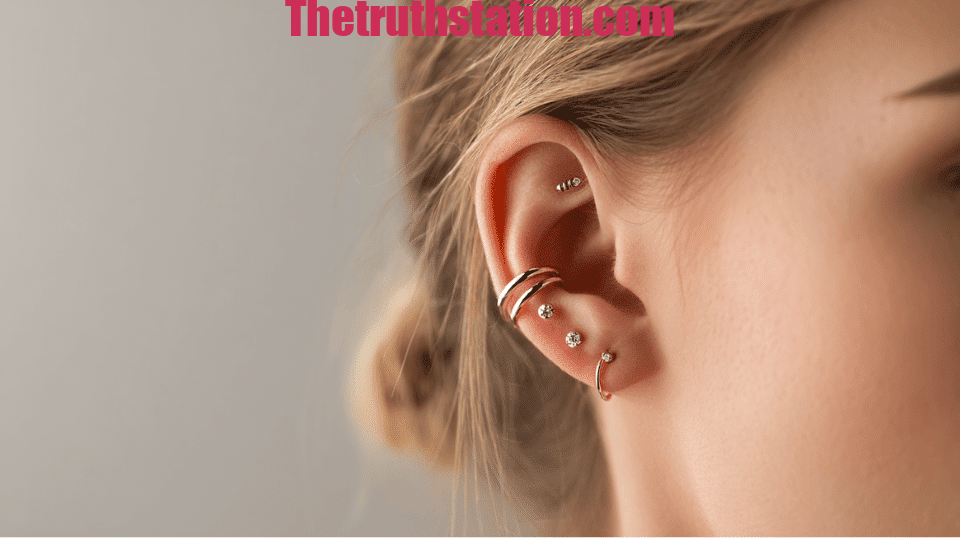
Ear piercings remain one of the most widely recognized forms of body modification, yet the options extend far beyond the traditional lobe piercing. The ear offers numerous locations for jewelry, including the helix, tragus, conch, and rook. Each placement creates a distinct visual effect and allows people to combine multiple piercings to achieve a curated look. Ear lobes are often chosen as a starting point because they tend to heal more quickly and provide flexibility with jewelry styles such as studs, hoops, and small rings.
Cartilage piercings, on the other hand, require more attention during the healing period because the tissue is firmer and less vascular. Many individuals enjoy experimenting with ear arrangements, gradually adding pieces over time to create symmetry or contrast between both ears. Jewelry choices also vary widely, from minimalist pieces to ornate designs featuring gemstones or intricate metalwork. When visiting an Austin piercing shop, clients often receive guidance on placement combinations that complement the natural shape of the ear while maintaining comfort during the healing process. The popularity of curated ear styles has encouraged people to view ear piercings as a creative arrangement rather than a single accessory, turning the ear into a canvas for personal expression.
Facial Piercings and Their Cultural Presence
Facial piercings have gained significant visibility in contemporary fashion and self-expression. Popular placements include the nose, eyebrow, lip, and septum, each offering a distinct aesthetic. Nose piercings are among the most widely adopted facial piercings and can be placed on the nostril or through the septum. Small studs and delicate rings often create a subtle accent, while larger hoops produce a more noticeable look. Eyebrow piercings typically use curved barbells and follow the natural shape of the brow ridge, adding a striking detail to facial features.
Lip piercings, such as labret and Monroe styles, provide another way to incorporate jewelry into facial appearance. Historically, many facial piercings carried cultural or symbolic meanings in various societies, representing identity, status, or belonging. In modern settings, they often reflect personal style rather than tradition alone. Healing times for facial piercings vary depending on placement and aftercare practices, making proper guidance and hygiene important. As facial piercings continue to gain mainstream acceptance, they demonstrate how body art can balance individuality with everyday wearability.
Body Piercings Beyond the Face
Piercings are not limited to ears or facial features; many individuals choose placements on other parts of the body to expand their personal aesthetic. Navel piercings are widely recognized and often associated with decorative jewelry that complements clothing styles. Surface piercings can also appear on areas such as the collarbone, hip, or wrist, though these require careful placement given how the skin moves in these regions. Nipple piercings represent another form of body modification that has grown in popularity for both decorative and personal reasons. Jewelry types for body piercings vary depending on anatomy and comfort, ranging from barbells and captive bead rings to curved pieces designed to follow natural contours.
Healing durations for body piercings are often longer than ear or facial piercings because thicker tissue or movement can affect recovery. Individuals considering these placements usually benefit from learning about jewelry materials, aftercare routines, and the impact of daily activities on healing. The range of body piercings available demonstrates how adaptable the piercing culture has become, allowing people to explore body decorations that align with their lifestyle and aesthetic preferences.
Dermal Anchors and Innovative Piercing Techniques
Among the more contemporary developments in piercing culture are dermal anchors, sometimes called microdermals. Unlike traditional piercings that pass through tissue from one side to the other, dermal anchors sit beneath the skin, with a small decorative top visible above. This design allows placement in areas where conventional piercings may not be possible, such as the cheekbone, chest, or back. Dermal anchors create the appearance of jewelry emerging directly from the skin, producing a distinctive visual effect. Because they rely on a single anchor point beneath the surface, placement precision and proper aftercare are critical to maintaining the piercing.
Jewelry tops can often be changed, allowing individuals to update their look without removing the anchor itself. These piercings illustrate how body modification techniques continue to evolve, blending creativity with technical skill. The rise of dermal anchors has expanded the possibilities of body decoration, enabling people to incorporate jewelry in unexpected locations while maintaining a refined aesthetic.
Body piercing continues to grow as an artistic expression that blends culture, individuality, and craftsmanship. What once centered primarily on simple ear piercings has expanded into a diverse landscape of placements and jewelry styles. From curated ear arrangements and expressive facial piercings to body placements and dermal anchors, the variety available today allows individuals to personalize their appearance in meaningful ways. As techniques and styles continue to evolve, piercing remains a powerful method of self-expression that reflects both tradition and modern creativity.
Disclaimer
The information in this article is provided for general educational and informational purposes only. Body piercing procedures, healing times, and aftercare requirements may vary depending on individual health, anatomy, and professional techniques. Individuals considering a piercing should consult a qualified and licensed professional piercer and follow proper hygiene and aftercare guidelines. The author and publisher are not responsible for any complications, injuries, or outcomes that may result from decisions based on the information presented in this content.