We will explore how inadequate home insulation directly affects heating system performance and longevity. Insulation plays a critical role in maintaining consistent indoor temperatures, reducing energy waste, and preventing unnecessary strain on your heating equipment. When insulation is lacking or outdated, heat escapes through walls, ceilings, and floors, forcing heating systems to work harder to maintain a comfortable environment. This increased workload can lead to more frequent breakdowns, higher energy bills, and a shorter lifespan for your system. Understanding the connection between insulation quality and system performance allows homeowners to make informed decisions that enhance comfort while reducing repair costs and maintenance challenges.
How Heat Loss Strains Your Heating System
When a home is poorly insulated, heat escapes rapidly through gaps, cracks, or thin walls. This loss means that the heating system must operate longer and at higher intensity to sustain the desired temperature. Over time, this constant overworking can lead to component fatigue, such as worn-out motors, failing thermostats, and deteriorating fan belts. In addition, furnaces and heat pumps may cycle on and off more frequently, creating additional wear on electrical and mechanical parts. A system that is consistently overburdened is more likely to experience malfunctions, necessitating more frequent professional repairs. Regularly addressing insulation issues can help mitigate this strain, prolonging the life of your heating system while maintaining consistent indoor comfort.
Increased Energy Consumption and Costs
Homes with poor insulation not only stress heating equipment but also significantly increase energy consumption. As the heating system works harder to replace lost heat, it draws more electricity or fuel, leading to higher monthly utility bills. This increase is compounded during extreme weather conditions when the system runs for extended periods. The combination of higher energy consumption and accelerated wear often results in homeowners needing more frequent repairs. Investing in proper insulation or upgrading existing materials can reduce energy waste, improve system efficiency, and ultimately save money. By lowering operational demand, your heating system runs under less strain, reducing the likelihood of breakdowns and minimizing ongoing repair costs. For guidance on improving your home’s insulation and heating efficiency, you can visit evansheatcooling.
Moisture and Condensation Problems
Poor insulation can contribute to moisture buildup and condensation within walls, ceilings, and attics. When warm indoor air meets cold surfaces, water vapor condenses, creating damp conditions that may damage insulation and structural materials. This moisture can also infiltrate heating system components, such as ductwork, causing corrosion or mold growth that affects airflow and air quality. Over time, these issues can compromise the heating system’s efficiency and require frequent service calls to address damage or prevent further deterioration. Ensuring adequate insulation not only maintains temperature control but also protects your home’s structural integrity and reduces unnecessary interventions by heating professionals.
Uneven Heating and Comfort Challenges
Homes with insufficient insulation often experience uneven temperature distribution, with some rooms feeling much warmer or colder than others. This imbalance forces the heating system to work harder to maintain an overall comfortable temperature, often triggering repeated cycles that put additional stress on mechanical components. The constant fluctuations can lead to increased wear on thermostats, compressors, and blower motors, ultimately requiring more frequent repairs or part replacements. Proper insulation creates a barrier that stabilizes indoor temperatures, enabling your heating system to operate more efficiently and consistently. By improving insulation, homeowners can enjoy greater comfort while reducing the burden on their equipment.
Long-Term Effects on System Longevity
The cumulative effect of poor insulation is a significant reduction in the lifespan of your heating system. Continuous overuse, coupled with moisture issues and uneven heating, accelerates wear and tear on essential components. Parts that might otherwise last several years may fail prematurely, leading to repeated service appointments and higher maintenance costs. Furthermore, a system that struggles to keep up with heat loss may never achieve optimal performance, reducing efficiency and comfort. By addressing insulation deficiencies, homeowners can extend the operational life of their heating system, minimize repair frequency, and maintain a healthier, more consistent indoor environment. Proactive insulation improvements create a foundation for long-term reliability and energy savings.
Choosing Insulation Improvements Wisely
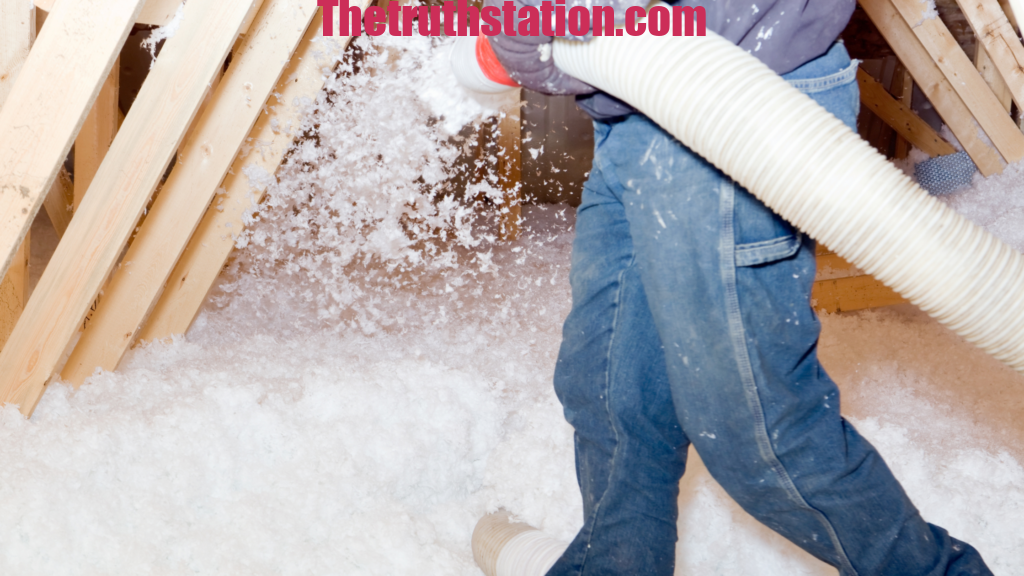
Selecting the right insulation materials and strategies is essential for effective heat retention. Common approaches include sealing gaps around windows and doors, adding attic insulation, and upgrading wall or floor insulation to modern standards. Each improvement reduces heat escape, allowing your heating system to run less frequently and under lower stress. While the upfront investment may seem significant, the reduction in energy costs and repair needs often offsets the expense over time. A well-insulated home supports the efficiency of your heating system, preventing repeated breakdowns and providing a more stable living environment. Homeowners who prioritize insulation can enjoy both financial and comfort-related benefits while minimizing the demands placed on their equipment.
Preventive Maintenance and Regular Inspections
Even with improved insulation, regular maintenance and inspections are critical to preventing frequent repairs. Routine service ensures that filters, vents, and mechanical components function correctly and identifies minor issues before they escalate. Homes with upgraded insulation benefit further from these practices, as heating systems operate more efficiently and place less strain on them. Scheduling periodic inspections can detect potential problems such as duct leaks, worn-out components, or thermostat inconsistencies early, reducing the risk of emergency repairs. When combined with proper insulation, preventive maintenance creates a more reliable heating system that maintains performance while reducing long-term repair needs. This holistic approach provides homeowners with confidence in both comfort and system durability.
Inadequate home insulation has a profound impact on heating system performance, repair frequency, and energy efficiency. Heat loss, uneven temperatures, moisture issues, and increased component strain all contribute to higher maintenance requirements and costs. Upgrading insulation not only stabilizes indoor temperatures but also reduces stress on the heating system, extending its lifespan and improving energy efficiency. When combined with regular maintenance and inspections, proper insulation ensures consistent comfort, fewer repair interventions, and financial savings.