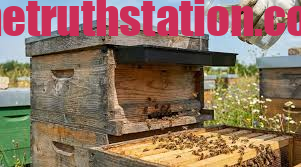
Beekeeping is not just about collecting honey; it is about taking care of bees throughout the year. Bees depend on flowers for nectar and pollen, but there are times when natural food sources are not enough. This is where bee feeders and proper beekeeping supplies become essential. They help beekeepers support their colonies during difficult periods and keep hives strong and productive.
Understanding Beekeeping Supplies
Beekeeping supplies include all the tools and equipment needed to manage a hive safely and effectively. These tools help protect the beekeeper, reduce stress on bees, and improve honey production.
Moreover, for beginners and experienced beekeepers alike, having the right equipment makes a big difference. It allows for smooth hive inspections, better colony management, and safer honey harvesting.
Essential Beekeeping Supplies
Protective Clothing
A beekeeper suit, veil, and gloves are basic safety items. Bees can become defensive when their hive is opened, so protective clothing helps prevent stings and allows the beekeeper to work with confidence.
Smoker and Hive Tool
A smoker is used to calm bees by producing cool smoke. This reduces their defensive behavior and makes hive inspections easier. A hive tool is used to open hive boxes, remove frames, and clean excess wax or propolis.
Beehives, Frames, and Foundations
Beehives provide a structured home for the colony. Frames and foundation sheets guide bees to build organized honeycomb, making feeding and honey extraction more efficient.
Honey Harvesting Equipment
Tools such as uncapping knives, extractors, and strainers are used to collect honey while keeping it clean and pure.
What Are Bee Feeders?
Bee feeders are containers designed to provide extra food to bees when natural nectar is limited. They are usually filled with sugar syrup or other bee-safe supplements.
Feeders are especially useful during:
- Early spring, when flowers are just starting to bloom
- Late autumn, when nectar sources decrease
- Winter, when bees cannot forage
- Drought or poor weather conditions
Why Bee Feeders Are Important
Moreover, bee feeders play a key role in maintaining a healthy colony. Without enough food, bees can become weak, stop producing brood, or even die.
Feeding helps:
- Prevent starvation
- Support brood development
- Strengthen weak colonies
- Help new hives settle
- Prepare bees for winter
A well-fed colony is more active, productive, and resistant to stress.
Types of Bee Feeders
Entrance Feeders
These are placed at the entrance of the hive and are easy to install. However, they can attract other bees, which may lead to robbing.
Top Feeders
Top feeders are placed above the hive frames. They are popular because they reduce the risk of robbing and allow feeding with minimal disturbance.
Frame Feeders
These feeders fit inside the hive like a frame. They are safe and reduce spillage but require opening the hive to refill them.
Boardman Feeders
These are simple feeders often used by beginners. They are easy to use but should be monitored carefully to avoid attracting pests.
Choosing the Right Bee Feeder
The choice of feeder depends on the season, hive size, and beekeeper preference. Internal feeders, such as frame or top feeders, are better for colder weather because bees can access food without leaving the hive.
It is also important to keep feeders clean and use fresh syrup to prevent disease or contamination.
How Bee Feeders Work with Beekeeping Supplies
Bee feeders are just one part of the beekeeping system. Protective clothing ensures safe handling, smokers calm bees during feeding, and strong hives protect food supplies from pests and weather.
When all supplies are used together, beekeeping becomes easier and more effective.
Final Thoughts
Bee feeders and quality beekeeping supplies are essential for maintaining healthy and productive hives. While bees naturally gather their own food, there are times when they need extra support.
By using the right feeders and proper equipment, beekeepers can ensure their colonies stay strong throughout the year. Healthy bees not only survive difficult conditions but also produce better honey and support the environment through pollination.
Disclaimer:
The information provided in this article is for general educational and informational purposes only. It is not intended to replace professional advice or formal training in beekeeping. Beekeeping practices may vary based on location, climate, and hive conditions, so readers are encouraged to consult experienced beekeepers or local experts before making decisions. The author and publisher are not responsible for any outcomes, losses, or damages resulting from the use of this information.