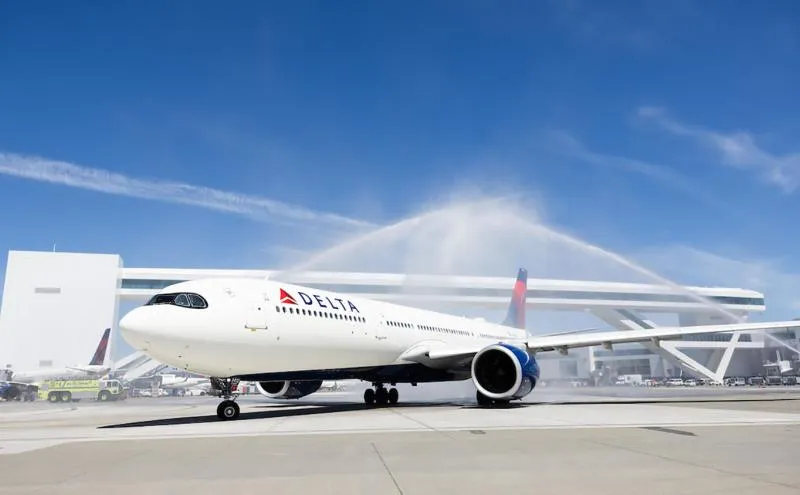
Air travel is often associated with precision, planning, and strict safety standards. Yet even with advanced technology and experienced flight crews, unexpected situations can still arise in the sky. One such event occurred when Delta Flight DL275 diverted LAX, turning what was meant to be a routine international journey into a widely discussed aviation incident. Passengers, aviation enthusiasts, and travel analysts all began asking the same question: what exactly happened during this flight?
The diversion highlighted how modern aviation safety systems work in real time. While diversions can disrupt travel plans, they also demonstrate the aviation industry’s unwavering commitment to passenger safety. This article explores the full story behind Delta Flight DL275’s diversion, including the flight timeline, technical cause, passenger experience, and the safety protocols that guided the crew’s decision.
Overview of Delta Flight DL275
Delta Flight DL275 is a long-haul international route operated by Delta Air Lines, connecting the United States with Japan. The flight typically travels from Detroit Metropolitan Wayne County Airport to Tokyo Haneda Airport, covering thousands of miles across the Pacific Ocean.
Route and Flight Details
The Detroit–Tokyo route is a major transpacific connection used by business travelers, tourists, and international passengers. A typical flight lasts around 13 hours and crosses remote regions of the North Pacific, where alternate landing options can be limited. Because of these long distances, flights on this route rely heavily on aircraft systems and continuous monitoring to ensure safe operations.
Aircraft Used on the Flight
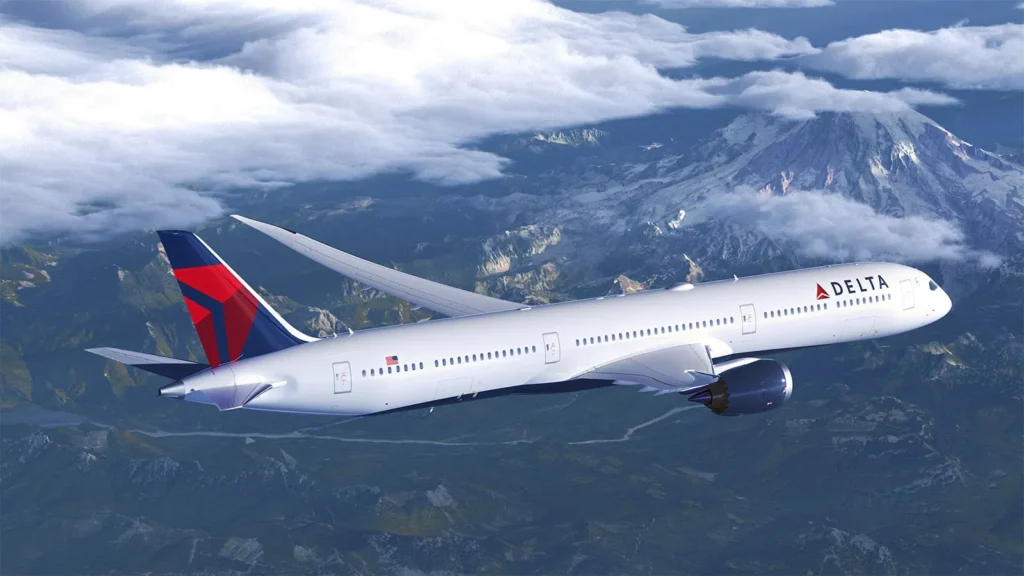
The flight was operated using an Airbus A350-900, one of the most advanced long-range commercial aircraft in service today. Designed for ultra-long flights, the A350 offers improved fuel efficiency, advanced flight systems, and strong performance across long oceanic routes.
Airline Operating the Route
Delta Air Lines is one of the largest international carriers in the world. Known for strict safety protocols and operational reliability, the airline maintains a strong presence across North America, Europe, and Asia. Its long-haul fleet, including the Airbus A350, is frequently used on transpacific routes like DL275.
What Happened to Delta Flight DL275?
On May 27, 2025, Delta Flight DL275 departed Detroit as scheduled, beginning its long journey to Tokyo. Passengers settled in for what they expected to be a routine transpacific flight. However, hours into the journey, the situation changed.
Timeline of the Flight
The aircraft departed Detroit in the afternoon and climbed to cruising altitude over North America before continuing across Alaska and the North Pacific. Several hours into the flight, while the aircraft was cruising at high altitude, cockpit monitoring systems detected irregular behavior in one of the aircraft’s engine systems.
After evaluating the alert, the pilots decided to divert the aircraft to Los Angeles International Airport instead of continuing toward Tokyo.
The plane eventually landed safely at LAX in the early hours of May 28 after spending more than 12 hours in the air.
Where the Issue Was Detected
The system alert occurred while the aircraft was flying over the northern Pacific region, not far from Alaska. This area is known for extremely cold atmospheric conditions, making certain aircraft systems particularly important for safe flight.
Because the aircraft was approaching remote oceanic airspace, the pilots concluded that diverting early was the safest option.
Why Delta Flight DL275 Diverted LAX
The main reason Delta Flight DL275 diverted LAX was a malfunction in the aircraft’s engine anti-ice system.
Engine Anti-Ice System Malfunction
Aircraft engines must operate efficiently even in extremely cold temperatures. At high altitude, ice can form on engine components, potentially disrupting airflow or affecting performance. To prevent this, modern aircraft use anti-ice systems that warm certain engine areas.
During this flight, the crew detected abnormal readings in this system. Although the aircraft remained fully controllable, continuing across the Pacific without a fully functioning anti-ice system could introduce unnecessary risk.
Safety Protocols in Aviation
Commercial aviation follows strict safety procedures. When a system responsible for engine protection or flight performance shows irregular behavior, pilots are trained to treat it seriously. Even if the aircraft appears to be operating normally, precautionary diversions are often recommended.
Why Continuing to Tokyo Was Not Safe
Continuing toward Tokyo would have meant flying thousands of miles over remote ocean areas with limited diversion airports. If the system issue worsened later in the flight, landing options would be more limited. Diverting earlier allowed the crew to reach a major airport with technical support.
Why Los Angeles International Airport Was Chosen
Selecting the right diversion airport is an important decision. In this case, Los Angeles International Airport was considered the best option.
Strategic Location on the West Coast
LAX is one of the closest major international airports capable of handling large wide-body aircraft traveling across the Pacific. Its location makes it a common diversion point for transpacific flights.
Aircraft Maintenance Facilities
Los Angeles hosts extensive airline maintenance operations. Technical teams at LAX have the tools and expertise required to inspect and repair large aircraft like the Airbus A350.
Passenger Support and International Processing
Another reason for choosing LAX was its infrastructure. The airport can process international passengers, manage rebookings, and provide accommodations quickly when disruptions occur.
Passenger Experience During the Diversion
For passengers onboard, the diversion was unexpected but handled professionally.
In-Flight Communication from the Crew
Once the pilots decided to divert the flight, the captain informed passengers about the situation. Flight attendants continued providing updates and reassurance, helping maintain a calm atmosphere inside the cabin.
Passenger Reactions
Many passengers initially felt confused or concerned, especially after several hours in the air. However, most reported that the crew handled the situation calmly and professionally.
Some passengers later shared their experiences online, describing the diversion as surprising but ultimately reassuring because safety remained the priority.
Support Provided After Landing
After landing in Los Angeles, Delta provided assistance to affected travelers. Passengers received help with hotel accommodations, meal vouchers, and new travel arrangements for reaching Tokyo.
Aviation Safety Procedures Behind Flight Diversions
Flight diversions may seem dramatic, but they are a routine part of aviation safety.
How Pilots Decide to Divert a Flight
When a technical alert appears, pilots evaluate multiple factors including aircraft performance, weather conditions, distance to alternate airports, and available maintenance facilities.
Role of Air Traffic Control
Air traffic control works closely with pilots to coordinate diversion routes and ensure safe arrival at alternate airports. Controllers can also provide priority landing clearance when necessary.
Why Diversions Are a Normal Safety Measure
Diversions are not signs of failure but rather evidence that aviation safety systems are working correctly. Airlines prefer to address potential issues early rather than risk complications later in the flight.
Technical Insight: Anti-Ice Systems on Aircraft
The anti-ice system that triggered the diversion plays an important role in high-altitude flight.
How Engine Anti-Ice Systems Work
These systems use heated air from the engine to warm specific surfaces where ice might accumulate. By keeping these surfaces warm, they prevent ice from forming during cold flight conditions.
Risks of Ice Formation During High-Altitude Flights
At cruising altitude, temperatures can drop far below freezing. Ice formation can disrupt airflow or reduce engine efficiency if left unchecked.
Why Anti-Ice Failures Are Taken Seriously
Because these systems protect critical engine components, even minor irregularities can trigger precautionary actions. Pilots must ensure the aircraft can operate safely throughout the remainder of the journey.
What Happened After the Aircraft Landed at LAX
After the aircraft landed safely in Los Angeles, several operational steps followed.
Aircraft Inspection and Maintenance
Maintenance teams inspected the aircraft thoroughly to identify the cause of the anti-ice system alert. Engineers reviewed system data and performed checks before clearing the aircraft for future operations.
Passenger Rebooking and Travel Adjustments
Delta staff worked to rebook passengers on alternative flights to Tokyo or other destinations. Some travelers continued their journey the next day.
Operational Impact on the Airline
Diversions can affect airline schedules, aircraft availability, and crew duty times. Airlines must coordinate multiple departments to minimize disruptions.
Why Aviation Diversions Are Rare but Necessary
Diversions occur in a very small percentage of flights, but they remain an important safety tool.
Global Statistics on Flight Diversions
Industry studies suggest that fewer than one percent of commercial flights are diverted each year. Most flights reach their destination without incident.
Common Causes of Diversions
Typical reasons include mechanical alerts, medical emergencies, severe weather, or operational issues. In every case, the goal is to ensure the safety of passengers and crew.
Final Thoughts on Delta Flight DL275 Diverted LAX
The story of Delta Flight DL275 diverted LAX demonstrates how modern aviation safety procedures operate in real-world situations. Although the diversion disrupted travel plans for hundreds of passengers, the outcome reinforced an important principle: safety always comes before schedule.
From early detection of the system alert to the careful decision by the flight crew, the incident showed how pilots, airline operations teams, and airport staff work together to protect passengers. In the complex world of international aviation, precautionary actions like these ensure that air travel continues to be one of the safest forms of transportation available today.
Frequently Asked Questions About Delta Flight DL275 Diverted LAX
Why was Delta Flight DL275 diverted LAX?
The flight diverted due to a malfunction in the aircraft’s engine anti-ice system.
Was anyone injured during the diversion?
No injuries were reported, and the aircraft landed safely.
How long was the flight in the air before landing?
The aircraft spent roughly 12 hours in the air before landing in Los Angeles.
Do passengers receive compensation for diverted flights?
Airlines often provide accommodations, meals, and rebooking assistance when diversions occur due to mechanical issues.
Is flight diversion dangerous?
No. Diversions are precautionary safety measures designed to prevent potential risks.