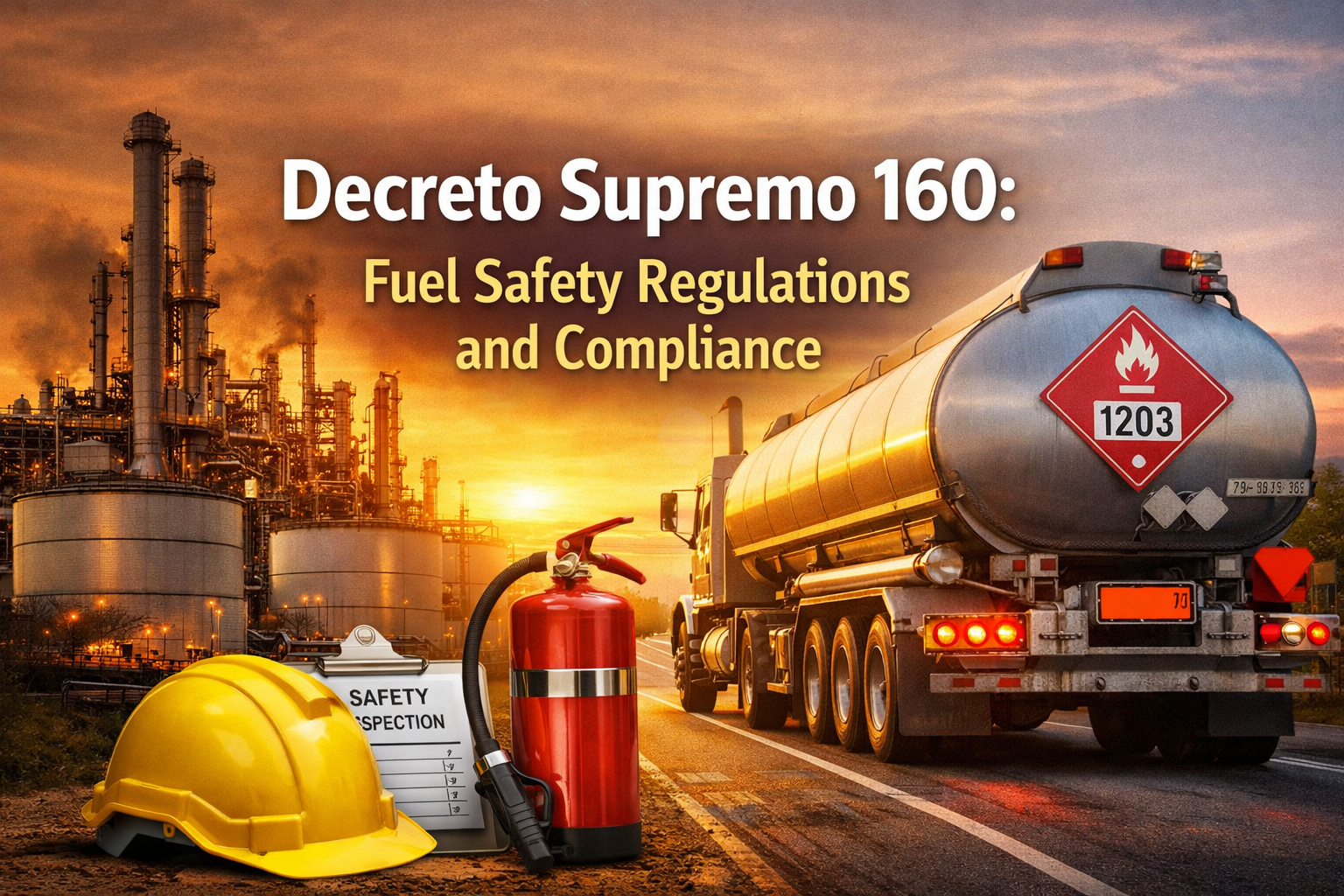
Modern societies depend heavily on liquid fuels for transportation, industry, and energy production. From fueling vehicles to supporting industrial operations, fuels such as gasoline and diesel are essential to everyday life. However, these fuels are also highly flammable and can pose serious risks if not handled correctly. To address these risks and ensure safe fuel operations, governments establish strict safety regulations. One of the most important examples is Decreto Supremo 160, a regulation that establishes comprehensive safety standards for installations and activities involving liquid fuels.
Understanding Decreto Supremo 160 is crucial for businesses, fuel operators, safety professionals, and anyone working in industries connected to fuel handling. This guide explains what Decreto Supremo 160 is, why it was created, how it works, and why it remains an essential regulation for protecting people, infrastructure, and the environment.
What Is Decreto Supremo 160?
Decreto Supremo 160 (DS 160) is a regulation that establishes safety requirements for facilities and operations involving liquid fuels. It provides technical guidelines and operational standards for the production, refining, transport, storage, distribution, and supply of liquid fuels.
The regulation was introduced in Chile to ensure that all fuel-related activities follow clear safety protocols. Because fuels are combustible substances, improper handling can result in fires, explosions, leaks, and environmental contamination. Decreto Supremo 160 addresses these risks by requiring organizations to implement strict safety systems and operational procedures.
Why Decreto Supremo 160 Matters
Fuel infrastructure often operates close to communities, highways, workplaces, and industrial zones. When safety systems fail, the consequences can be severe. Fires, explosions, and spills can cause injury, property damage, and environmental harm.
Decreto Supremo 160 plays a critical role in preventing these risks by establishing standardized safety practices. The regulation ensures that companies handling liquid fuels operate under consistent guidelines designed to protect both workers and the public.
The importance of Decreto Supremo 160 can be understood through several key benefits:
- It reduces the likelihood of fuel-related accidents.
- It protects employees and nearby communities.
- It safeguards infrastructure and property.
- It minimizes environmental damage caused by spills or leaks.
- It ensures consistent safety standards across the fuel industry.
By implementing these safety measures, the regulation supports reliable and responsible fuel operations throughout the supply chain.
Main Objectives of Decreto Supremo 160
The regulation was created with several important objectives in mind. These goals guide how fuel installations must be built and operated.
Improving Safety in Fuel Operations
The primary goal of Decreto Supremo 160 is to improve safety in activities involving liquid fuels. The regulation defines minimum safety standards that all operators must follow.
These standards apply to both new and existing installations, ensuring long-term safety across the industry.
Preventing Fires and Explosions
Because fuels are flammable, safety systems must be carefully designed to prevent ignition hazards. The regulation requires proper equipment, storage systems, and operational procedures to reduce the risk of fires or explosions.
Protecting the Environment
Fuel leaks can contaminate soil and water, causing long-term environmental damage. Decreto Supremo 160 includes safety measures that help prevent spills and reduce environmental risks.
Establishing Clear Technical Standards
Before regulations like this existed, safety practices varied between companies. The decree establishes consistent technical requirements that all operators must follow, ensuring equal levels of protection.
Activities Covered by Decreto Supremo 160
One of the most important aspects of Decreto Supremo 160 is that it regulates the entire fuel supply chain, not just one stage of operations. Safety risks exist throughout the system, so the regulation applies to all major activities involving liquid fuels.
Fuel Production
Facilities that produce liquid fuels must follow strict safety procedures. Equipment must be designed and operated to prevent leaks or hazardous reactions.
Fuel Refining
Refineries process raw petroleum into usable fuels. These operations involve high temperatures and chemical reactions, so safety systems are essential.
Fuel Transportation
Fuel is often transported using tanker trucks, pipelines, or ships. The regulation establishes safety requirements for containers, transport vehicles, and loading procedures.
Fuel Storage
Its storage tanks must meet design and installation standards to prevent leaks, spills, and structural failures.
Fuel Distribution
Its distributors move fuel from storage facilities to stations or industrial users. Distribution systems must operate safely to prevent accidents.
Fuel Supply
Fuel supply operations include gas stations and industrial fuel systems. These facilities must follow strict operational guidelines.
Fuels Covered by the Regulation
Decreto Supremo 160 applies to several types of liquid fuels commonly used in transportation and industry. These fuels are combustible and therefore require careful handling.
Examples include:
- gasoline
- diesel
- kerosene
- petroleum-based fuels
- biodiesel
- bioethanol
Because these fuels can ignite easily, safety standards are essential during storage, transportation, and usage.
Who Must Comply with Decreto Supremo 160
The regulation applies to a wide range of organizations and facilities that handle liquid fuels. Compliance is required regardless of company size if fuel operations are involved.
Common entities that must follow the regulation include:
- fuel stations
- fuel storage facilities
- transportation companies carrying fuel
- refineries and production plants
- fuel distributors
- industrial plants that use large fuel systems
Even smaller installations storing fuel must comply with basic safety requirements.
Installation Requirements Under Decreto Supremo 160
Fuel installations must meet technical standards before they can begin operation. These requirements ensure that facilities are designed with safety in mind from the start.
Typical installation requirements include:
- certified fuel storage tanks
- adequate ventilation systems
- fire protection equipment
- spill containment structures
- secure tank foundations and supports
Proper design and installation significantly reduce the risk of future accidents.
Operational Safety Rules
Daily operations at fuel facilities must follow structured safety procedures. These procedures ensure that systems remain safe throughout their lifespan.
Important operational safety practices include:
- performing regular inspections of equipment
- maintaining fuel systems and pipelines
- following written operational procedures
- training workers in safe fuel handling
- monitoring systems for leaks or faults
These practices help identify problems early and prevent serious incidents.
Storage Safety Requirements
Fuel storage systems present specific hazards that must be carefully managed. Decreto Supremo 160 requires storage facilities to implement protective measures.
Common storage safety requirements include:
- approved storage tank designs
- leak detection systems
- secure tank placement
- spill prevention barriers
- safe distances between tanks and buildings
These precautions protect both the facility and the surrounding environment.
Transport Safety Standards
Transporting fuel introduces additional risks because accidents can occur during movement. The regulation includes guidelines to ensure safe transport operations.
Transport safety measures include:
- certified tanker vehicles or containers
- proper loading and unloading procedures
- spill prevention systems
- trained drivers and operators
- emergency equipment on transport vehicles
These measures reduce the likelihood of accidents during fuel transport.
Safety Management Systems
Fuel facilities must implement structured safety management systems to maintain compliance with Decreto Supremo 160.
These systems usually include:
- risk assessment procedures
- safety documentation and records
- regular inspections
- employee training programs
- maintenance schedules
A well-organized safety management system helps companies detect potential hazards before they become serious problems.
Emergency Preparedness
Even with strong safety systems, emergencies can still occur. For this reason, facilities must prepare emergency response plans.
Emergency planning typically includes:
- fire response procedures
- fuel spill containment plans
- evacuation strategies
- emergency contact lists
- worker training for emergency situations
Preparation ensures that incidents can be handled quickly and effectively.
Responsibilities of Owners and Operators
Decreto Supremo 160 clearly defines responsibilities for those managing fuel facilities.
Responsibilities of Owners
Owners must ensure that installations meet technical safety standards and remain properly maintained. They must also maintain documentation and ensure compliance with regulatory requirements.
Responsibilities of Operators
Operators are responsible for following safety procedures, maintaining equipment, and reporting operational issues. Their role is essential in preventing accidents during daily operations.
Clear responsibilities improve accountability and safety performance.
Inspections and Compliance
Regulatory authorities monitor compliance with Decreto Supremo 160 through inspections and documentation reviews.
Facilities must maintain records such as:
- equipment inspection logs
- maintenance documentation
- safety procedures
- employee training records
These records demonstrate that the facility operates according to safety standards.
Consequences of Non-Compliance
Failure to follow the regulation can result in serious consequences. Authorities may impose penalties to ensure safety standards are maintained.
Possible penalties include:
- official warnings
- financial fines
- mandatory repairs or improvements
- suspension of operations
These enforcement mechanisms help ensure that organizations take safety requirements seriously.
The Long-Term Importance of Decreto Supremo 160
Decreto Supremo 160 continues to play a vital role in ensuring safe fuel operations. As industries grow and energy demand increases, strong safety regulations remain essential.
By establishing clear rules for installation, operation, and maintenance, the regulation helps create a safer environment for workers, communities, and ecosystems.
The regulation also encourages companies to adopt better safety practices and maintain responsible fuel management systems.
Conclusion
Decreto Supremo 160 is a comprehensive safety regulation that governs installations and operations involving liquid fuels. It establishes technical and operational standards that protect people, infrastructure, and the environment from the risks associated with combustible fuels.
By covering every stage of the fuel supply chain—from production and storage to transportation and supply—the regulation ensures that safety remains a priority throughout fuel operations.
For businesses involved in fuel handling, understanding and complying with Decreto Supremo 160 is essential. Proper compliance not only prevents legal penalties but also promotes safer operations, protects communities, and supports environmental responsibility.
Ultimately, Decreto Supremo 160 represents an important commitment to safety and responsible energy management in modern society.
Disclaimer
This article is intended for informational and educational purposes only. While every effort has been made to ensure accuracy, the information provided about Decreto Supremo 160 should not be considered legal, regulatory, or professional advice. Regulations and legal requirements may change over time or vary by jurisdiction. Readers and organizations should consult official government sources or qualified legal professionals for the most accurate and up-to-date guidance regarding compliance with Decreto Supremo 160.