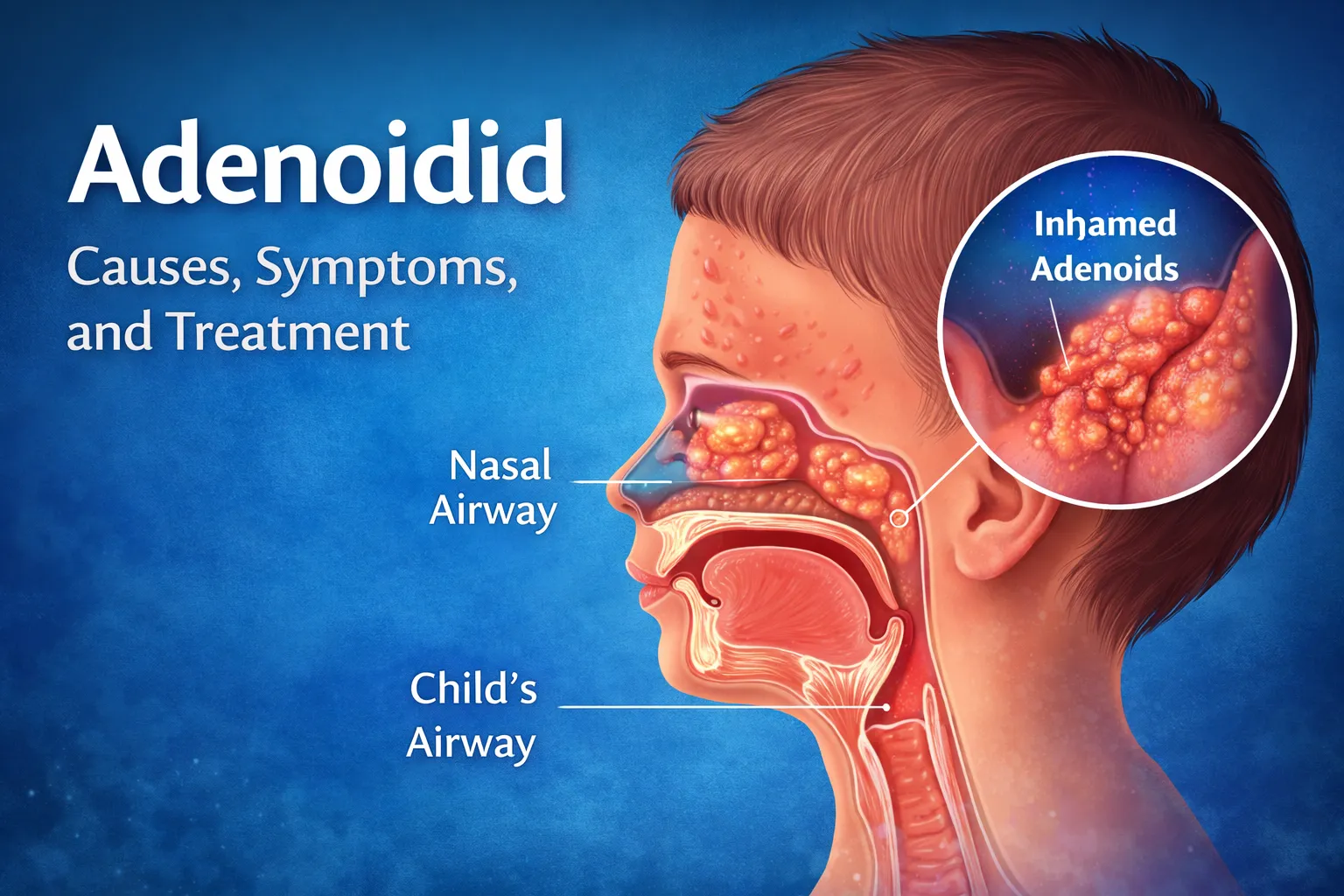
The human respiratory system contains several protective mechanisms designed to prevent infections and maintain healthy breathing. One of these protective structures is the adenoids, small masses of lymphatic tissue located behind the nose in the upper part of the throat. These tissues play a significant role in early immune defense, especially during childhood. However, when the adenoids become swollen or infected, a condition commonly referred to as Adenoidid may occur.
Adenoidid generally refers to inflammation or infection of the adenoids, a condition medically known as adenoiditis. Although the term Adenoidid is often used in online discussions or search queries, it typically describes the same health issue involving enlarged or infected adenoids. This condition can lead to breathing difficulties, sleep disturbances, and repeated ear infections if not properly addressed.
Understanding Adenoidid is important for recognizing symptoms early and seeking appropriate treatment. By learning how this condition develops, how it affects the body, and what treatments are available, individuals and parents can make informed decisions about respiratory health and overall well-being.
What Is Adenoidid?
Adenoidid refers to inflammation, infection, or enlargement of the adenoids. The adenoids are located in the nasopharynx, the space where the back of the nasal cavity meets the throat. These tissues are part of the lymphatic system and play an important role in protecting the body from harmful microorganisms that enter through the nose or mouth.
In children, the adenoids are particularly active because the immune system is still developing. They help detect and trap viruses and bacteria before these pathogens can spread deeper into the respiratory tract. As a result, the adenoids often become exposed to infections, which can lead to swelling or irritation.
When the adenoids become enlarged due to repeated infections or allergies, they may block the nasal passages and interfere with normal breathing. This condition is commonly described as Adenoidid. Although the adenoids naturally shrink as people grow older, inflammation during childhood can cause several temporary health problems.
The Role of Adenoids in the Immune System
To understand Adenoidid, it is important to first understand the function of the adenoids. These tissues are part of a group of lymphatic structures known as Waldeyer’s ring, which also includes the tonsils and other immune tissues located around the throat.
The adenoids act as a first line of defense against pathogens entering the body through the respiratory system. When bacteria or viruses enter the nasal passages, the adenoids capture these microorganisms and activate immune responses. Specialized immune cells inside the adenoids then help neutralize harmful invaders.
This defensive function is particularly important during childhood, when the immune system is still learning to recognize and fight infections. However, because the adenoids frequently encounter germs, they are also vulnerable to inflammation and infection. When this happens repeatedly, the tissues may remain enlarged, leading to the symptoms associated with Adenoidid.
Causes of Adenoidid
Several factors can contribute to the development of Adenoidid. The most common cause is infection of the upper respiratory tract. Viral infections such as colds or flu often trigger inflammation in the adenoids. In some cases, bacterial infections may also develop, worsening the swelling and irritation.
Allergies can also contribute to the condition. Allergic reactions cause inflammation in the nasal passages, which may extend to the adenoids and cause them to enlarge. Environmental factors such as air pollution, dust, and tobacco smoke may further irritate the respiratory system and increase the risk of adenoid inflammation.
Children who frequently experience respiratory infections, particularly those who attend daycare or school environments, may be more susceptible to Adenoidid. Their immune systems are exposed to a wider variety of viruses and bacteria, increasing the likelihood of repeated infections.
Symptoms of Adenoidid
The symptoms of Adenoidid often develop gradually and may vary depending on the severity of the inflammation. One of the most noticeable symptoms is difficulty breathing through the nose. When the adenoids become enlarged, they can partially block the nasal airway, forcing individuals to breathe through their mouths instead.
Another common symptom is persistent nasal congestion. Even without a runny nose, individuals with Adenoidid may feel that their nasal passages are blocked. This can lead to mouth breathing, especially during sleep.
Snoring and disturbed sleep are also frequent symptoms. Enlarged adenoids can obstruct airflow during sleep, causing snoring or restless sleeping patterns. Children with this condition may experience daytime fatigue due to poor sleep quality.
Ear infections may also occur because swollen adenoids can block the Eustachian tubes that connect the middle ear to the throat. When these tubes are blocked, fluid may accumulate in the middle ear, increasing the risk of infection and hearing difficulties.
Additional symptoms may include sore throat, bad breath, a nasal-sounding voice, and difficulty swallowing in more severe cases.
How Adenoidid Is Diagnosed
Diagnosis of Adenoidid usually begins with a physical examination performed by a healthcare professional. The doctor will evaluate symptoms such as breathing difficulties, sleep disturbances, and recurrent ear infections.
Because the adenoids are located behind the nose, they cannot always be seen during a routine throat examination. In many cases, doctors use a small flexible instrument called a nasal endoscope to examine the nasal passages and visualize the adenoids directly.
Imaging tests such as X-rays may also be used to determine the size of the adenoids and whether they are blocking the airway. These tests help physicians determine the severity of the condition and decide on the most appropriate treatment approach.
Treatment Options for Adenoidid
Treatment for Adenoidid depends on the underlying cause and the severity of the symptoms. Mild cases caused by viral infections may improve with rest, hydration, and supportive care.
If a bacterial infection is suspected, doctors may prescribe antibiotics to eliminate the infection. Nasal sprays or anti-inflammatory medications may also be recommended to reduce swelling and improve airflow through the nasal passages.
In individuals with allergies, antihistamines or other allergy treatments may help control inflammation and reduce symptoms.
For cases where the adenoids remain enlarged and cause persistent breathing problems or repeated infections, doctors may recommend adenoidectomy, a surgical procedure to remove the adenoids. This procedure is commonly performed in children and typically results in significant improvement in breathing and sleep quality.
Possible Complications of Untreated Adenoidid
If Adenoidid is not properly treated, it may lead to several complications. Persistent nasal blockage can affect sleep quality, causing fatigue, irritability, and difficulty concentrating during the day.
Repeated ear infections are another potential complication. When the Eustachian tubes remain blocked due to enlarged adenoids, fluid buildup in the middle ear may occur. Over time, this can lead to hearing problems or speech development issues in children.
Severe airway obstruction may also contribute to sleep-disordered breathing or obstructive sleep apnea. These conditions require medical attention because they can affect overall health and development.
Preventing Adenoidid
While it may not always be possible to prevent Adenoidid completely, certain steps can help reduce the risk of infection and inflammation. Maintaining good hygiene practices, such as regular handwashing, helps prevent the spread of viruses and bacteria that cause respiratory infections.
Avoiding exposure to cigarette smoke and environmental pollutants can also protect the respiratory system. Strengthening the immune system through proper nutrition, regular exercise, and adequate sleep may further reduce susceptibility to infections.
Parents should pay attention to symptoms such as persistent mouth breathing, snoring, or repeated ear infections in children, as these may indicate enlarged adenoids requiring medical evaluation.
Conclusion
Adenoidid refers to inflammation or infection of the adenoids, a condition that commonly affects children but may also occur in adults. Because the adenoids play a key role in immune defense, they are frequently exposed to bacteria and viruses that can cause swelling and irritation.
Although the symptoms of Adenoidid can be uncomfortable, the condition is usually manageable with proper medical care. Early recognition of symptoms, accurate diagnosis, and appropriate treatment can help restore normal breathing, improve sleep quality, and prevent complications.
Understanding Adenoidid also highlights the importance of maintaining respiratory health and supporting the immune system. By recognizing the signs of adenoid inflammation and seeking timely medical advice, individuals can ensure better health outcomes and improved quality of life.
Disclaimer
The information provided in this article about Adenoidid is intended for educational and informational purposes only. It is not a substitute for professional medical advice, diagnosis, or treatment. Medical conditions related to the adenoids, including inflammation or infection, should always be evaluated by a qualified healthcare professional.
Readers should not rely solely on the information presented here to make decisions about their health. If you experience persistent symptoms such as difficulty breathing, severe nasal blockage, frequent ear infections, or sleep disturbances, you should consult a licensed doctor or medical specialist for proper evaluation and treatment.
While every effort has been made to provide accurate and up-to-date information, medical knowledge and recommendations may change over time. The author and publisher are not responsible for any consequences resulting from the use of this information without professional medical guidance.