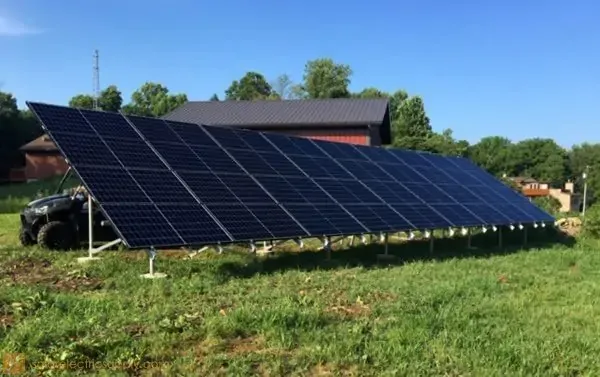
Solar energy has become one of the most important renewable energy sources in the world. As countries and homeowners search for cleaner and more efficient energy solutions, photovoltaic systems are rapidly becoming a central part of the global energy transition. Among the technologies shaping modern solar installations, HMS Photovoltaik has emerged as a highly efficient and innovative solution for managing and converting solar power.
HMS Photovoltaik refers to photovoltaic systems that utilize advanced microinverter technology, particularly systems associated with the HMS microinverter series developed by Hoymiles. These systems convert solar energy more efficiently by processing electricity at the individual panel level rather than relying on a single central inverter.
As the solar industry continues to evolve, microinverter-based systems like HMS Photovoltaik are becoming increasingly popular in residential and commercial solar installations. They offer improved energy production, enhanced safety, and greater flexibility compared to traditional solar power systems. Understanding how HMS Photovoltaik works, its features, and its advantages can help homeowners, businesses, and solar enthusiasts make informed decisions when investing in renewable energy.
What Is HMS Photovoltaik?
HMS Photovoltaik refers to a solar power system architecture that integrates HMS microinverters into photovoltaic installations. Unlike conventional solar systems that rely on a single inverter connected to multiple panels, HMS systems use small microinverters attached to each individual solar panel.
In traditional photovoltaic systems, solar panels generate direct current electricity that must be converted into alternating current before it can be used in homes or transmitted to the electrical grid. This conversion process typically occurs through a centralized inverter. However, centralized systems can suffer efficiency losses if one panel underperforms due to shading, dirt accumulation, or damage.
HMS Photovoltaik solves this challenge by performing the DC-to-AC conversion at the panel level. Each solar panel operates independently through its own microinverter, ensuring that the entire system continues to function efficiently even if individual panels encounter issues.
This panel-level architecture allows solar installations to achieve higher performance, improved reliability, and easier monitoring compared to traditional systems.
Understanding Photovoltaic Energy Systems
To fully understand HMS Photovoltaik, it is helpful to explore the basic principles of photovoltaic technology.
How Photovoltaic Systems Generate Electricity
Photovoltaic systems generate electricity by converting sunlight into electrical energy. Solar panels contain photovoltaic cells made from semiconductor materials, usually silicon. When sunlight strikes these cells, electrons within the material become energized and begin to move, creating an electrical current.
This electricity is produced in the form of direct current (DC). However, homes, appliances, and electrical grids operate using alternating current (AC). For this reason, the electricity generated by solar panels must be converted before it can be used.
Inverter technology plays a critical role in this process. The inverter converts DC electricity into AC electricity that can power homes or be exported to the electrical grid.
Key Components of a Solar Power System
A photovoltaic system consists of several essential components that work together to produce and distribute electricity. Solar panels capture sunlight and generate electrical energy. Mounting structures hold the panels securely in place and position them to maximize sunlight exposure.
Inverters convert the electricity into a usable form. Monitoring systems track energy production and system performance. Some installations also include battery storage systems that allow homeowners to store excess energy for later use.
Within HMS Photovoltaik systems, the microinverter replaces the traditional central inverter, creating a more decentralized and flexible system design.
What Are HMS Microinverters?
Microinverters are compact devices installed directly behind or beneath individual solar panels. In HMS Photovoltaik systems, these microinverters convert the electricity produced by each panel from direct current into alternating current immediately at the source.
This design provides several advantages. Because each panel has its own inverter, the performance of one panel does not affect the others. In traditional string inverter systems, a single shaded or malfunctioning panel can reduce the output of the entire system.
HMS microinverters eliminate this limitation by allowing each panel to function independently. This architecture improves overall energy production and ensures that solar installations operate at maximum efficiency.
Another advantage of microinverter technology is improved system monitoring. Because each panel operates individually, system owners can track the performance of each panel separately. This makes it easier to identify maintenance issues and optimize system performance.
Key Features of HMS Photovoltaik Systems
HMS Photovoltaik systems incorporate several features that make them highly effective for modern solar installations.
Panel-Level Energy Optimization
One of the defining features of HMS systems is panel-level energy optimization. Each solar panel produces electricity independently, which ensures that the performance of the system remains stable even when environmental conditions vary.
This is particularly beneficial for rooftops where panels may receive different levels of sunlight due to shading, orientation, or roof design.
Real-Time Monitoring Capabilities
Modern HMS photovoltaic systems include advanced monitoring platforms that allow users to track their solar energy production in real time. These monitoring tools provide detailed insights into system performance, energy output, and efficiency levels.
Homeowners and installers can access this information through mobile applications or online dashboards, making it easier to manage and maintain the system.
Enhanced Electrical Safety
Safety is another major advantage of HMS microinverter systems. Because electricity is converted from DC to AC at the panel level, high-voltage DC wiring across the rooftop is significantly reduced.
This reduces the risk of electrical faults and improves the overall safety of the installation.
Flexible and Scalable System Design
HMS photovoltaic systems are highly modular. Additional solar panels and microinverters can be added easily as energy needs grow. This flexibility makes them ideal for homeowners who may want to expand their solar installations in the future.
Benefits of Using HMS Photovoltaik
The growing adoption of HMS photovoltaic systems is driven by several important advantages.
Higher energy production is one of the most significant benefits. Because each panel operates independently, the system can capture more solar energy even when some panels experience shading or performance limitations.
Improved reliability is another key advantage. If one panel or microinverter experiences a problem, the rest of the system continues to operate normally. This prevents a single component from affecting the entire solar installation.
Ease of maintenance also contributes to the popularity of HMS systems. Panel-level monitoring allows technicians to quickly identify and resolve issues, reducing downtime and maintenance costs.
For homeowners and businesses seeking long-term energy savings, these benefits make HMS photovoltaic technology an attractive investment.
How HMS Photovoltaik Works
The operation of an HMS photovoltaic system begins when sunlight strikes the solar panels. The photovoltaic cells within the panels convert this sunlight into direct current electricity.
Instead of sending this electricity to a centralized inverter, each panel directs its DC power to an HMS microinverter installed nearby. The microinverter converts the DC electricity into alternating current immediately.
Once converted, the AC electricity flows through the electrical system of the home or business. Any excess electricity can be exported to the power grid or stored in battery systems if available.
Throughout this process, monitoring software continuously tracks system performance and energy output.
HMS Photovoltaik vs Traditional Solar Inverters
When comparing HMS photovoltaic systems with traditional solar inverter systems, several differences become clear.
Traditional string inverter systems connect multiple solar panels to a single inverter. While this design can be cost-effective, it has limitations. If one panel underperforms, the output of the entire string may decrease.
HMS photovoltaic systems avoid this issue by decentralizing the conversion process. Each panel operates independently, ensuring that the system maintains optimal performance.
This architecture also simplifies troubleshooting because individual panels can be monitored and analyzed separately.
Applications of HMS Photovoltaik Systems
HMS photovoltaic technology is used in a variety of solar installations around the world.
Residential rooftop systems represent one of the most common applications. Homeowners benefit from improved efficiency, better monitoring, and enhanced safety.
Commercial solar installations also use HMS microinverters to improve energy performance in complex rooftop environments.
In some regions, balcony solar systems and small distributed solar projects rely on microinverter technology to simplify installation and maximize energy output.
The Future of HMS Photovoltaik Technology
As solar energy continues to grow globally, microinverter technology is expected to play an increasingly important role in photovoltaic system design.
Advances in semiconductor technology, digital monitoring platforms, and smart grid integration will likely make microinverter systems even more efficient and accessible.
With the growing demand for renewable energy and decentralized power generation, technologies like HMS Photovoltaik represent an important step toward a more sustainable and resilient energy future.
Conclusion
HMS Photovoltaik represents a significant advancement in solar energy technology. By integrating microinverters at the panel level, these systems deliver higher efficiency, improved safety, and greater flexibility compared to traditional photovoltaic installations.
For homeowners, businesses, and solar professionals seeking reliable renewable energy solutions, HMS photovoltaic systems provide a modern approach to solar power generation. As renewable energy adoption continues to accelerate worldwide, microinverter-based systems are likely to become an essential component of the next generation of solar energy infrastructure.