A sore wrist can turn simple tasks into small battles. Twisting a jar lid, typing for hours, lifting grocery bags, even holding a coffee mug can suddenly feel uncomfortable. Wrist strain has become increasingly common in Australia as people spend more time on computers, sports activities, and repetitive hand movements.
Many Australians searching for a natural way to ease wrist discomfort are turning to thermal wrist support. Heat compression is not a new idea. Physiotherapists and sports professionals have relied on therapeutic heat for decades to improve circulation, relax muscles, and support injury recovery. When combined with gentle compression, it becomes a practical daily solution for people managing wrist pain or rehabilitation.
What Is a Thermal Wrist Support?
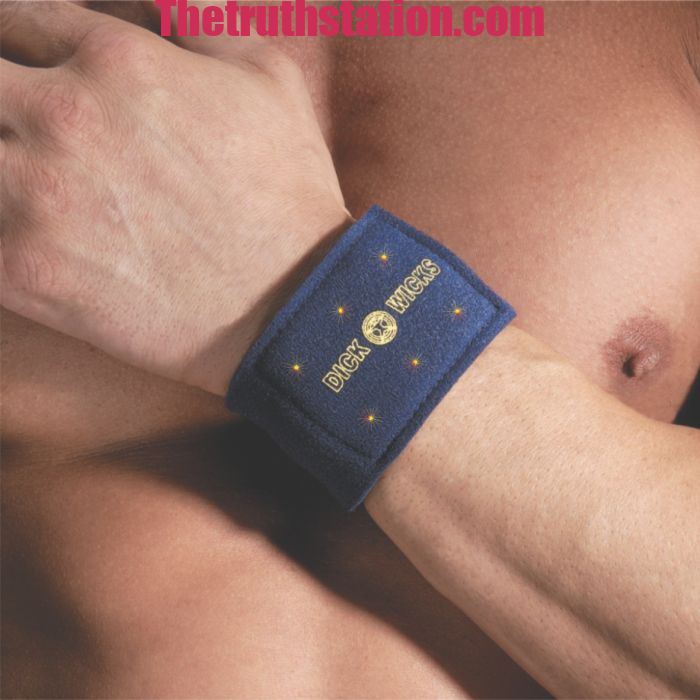
A thermal wrist support is a brace designed with heat retaining materials that keep the wrist warm while providing light compression. The warmth helps increase blood circulation around the joint, while the compression stabilises the wrist during movement.
Unlike rigid braces that restrict motion completely, thermal supports allow controlled movement. This balance makes them useful for everyday wear, especially for people who still need to use their hands throughout the day.
Most designs use materials such as neoprene or thermal fabric that trap body heat. The result is a gentle warming effect that keeps muscles and tendons relaxed.
Why Heat Therapy Helps Wrist Recovery
Heat therapy has long been recommended in rehabilitation programs. When warmth surrounds an injured area, several helpful changes occur inside the body.
First, blood vessels expand. Increased blood flow brings oxygen and nutrients to the affected tissues, which supports healing. Second, heat relaxes tight muscles and reduces stiffness in the surrounding joints.
For people experiencing conditions like tendon strain, repetitive strain injuries, or mild arthritis, this warmth often makes movement more comfortable.
A thermal wrist support by Bodyassist keeps that warmth consistent throughout the day, which is why many physiotherapists suggest it for ongoing support.
Common Wrist Problems That Benefit from Thermal Support
Many Australians deal with wrist discomfort due to daily activities rather than major injuries. A thermal wrist support can help in several common situations.
Repetitive strain injuries
Typing, gaming, or working with tools for long periods can irritate wrist tendons. Heat compression helps reduce tightness and supports the joint during repetitive tasks.
Sports related strain
Tennis players, gym enthusiasts, and golfers often experience wrist fatigue or minor ligament strain. A thermal support keeps the joint warm and supported while training or recovering.
Mild arthritis and stiffness
Cold weather can increase joint stiffness. Heat compression helps keep the wrist flexible and comfortable during colder months.
Post injury recovery
After minor sprains or strains, warmth combined with light compression can assist the rehabilitation process by improving circulation.
Why Australians Prefer Thermal Wrist Support
Australia has a very active lifestyle culture. From outdoor sports to physically demanding jobs, wrists are constantly involved in daily movement.
Many people prefer a thermal wrist support because it offers a practical middle ground between doing nothing and wearing a heavy brace.
It is comfortable enough for everyday use, supportive enough to reduce strain, and simple to slip on when pain begins to flare up. For office workers, tradies, and athletes alike, that convenience matters.
Another reason is the growing awareness of non invasive pain management. Instead of relying solely on medication, people are exploring supportive solutions that assist the body’s natural recovery process.
How to Use Thermal Wrist Support Safely
Using a thermal wrist support correctly makes a big difference.
Wear it during activities that usually trigger discomfort, such as typing or lifting. The compression should feel snug but never tight enough to cut circulation. If numbness or tingling appears, it is best to loosen or remove the support.
It also works well during recovery periods after exercise, when muscles are cooling down and stiffness can develop.
For persistent or severe wrist pain, consulting a physiotherapist or healthcare professional is always recommended.
Final Thoughts
Wrist pain often creeps in quietly. One week everything feels normal, then suddenly everyday tasks become uncomfortable. The good news is that small supportive measures can make a meaningful difference.
A thermal wrist support offers warmth, stability, and gentle compression that helps the wrist stay comfortable during both activity and recovery. For many Australians, it has become a reliable companion for managing strain, supporting healing, and keeping hands moving freely.
Taking care of your joints today can prevent bigger problems tomorrow. A simple support around the wrist may be all it takes to keep life moving without pain.
FAQs
1. When should I use a thermal wrist support?
Ans. It is commonly used during activities that cause wrist discomfort, such as typing, lifting, sports, or during recovery after exercise.
2. Can heat compression reduce wrist stiffness?
Ans. Yes. Heat helps improve blood circulation and relax tight muscles, which can reduce stiffness and improve flexibility.
3. Is thermal wrist support suitable for sports activities?
Ans. Many athletes use thermal supports during training or recovery to keep the wrist warm and supported.
4. Can I wear a thermal wrist support all day?
Ans. It can be worn for extended periods if comfortable, but it is important to remove it occasionally to allow the skin and muscles to relax.
5. Does a thermal wrist support help with arthritis pain?Ans. Heat therapy is often helpful for mild arthritis symptoms because it improves joint mobility and reduces stiffness.
Disclaimer
This article is intended for general informational purposes only and does not constitute medical advice. While thermal wrist supports and heat therapy may help relieve mild discomfort, stiffness, or strain, individual results can vary. This content should not be used as a substitute for professional medical diagnosis, treatment, or guidance. If you are experiencing severe, persistent, or worsening wrist pain, or have an underlying medical condition, you should consult a qualified healthcare professional such as a physiotherapist or doctor. Any product references, including Bodyassist, are for informational purposes only and do not represent medical endorsements. The author and publisher are not responsible for any outcomes resulting from the use of the information provided.