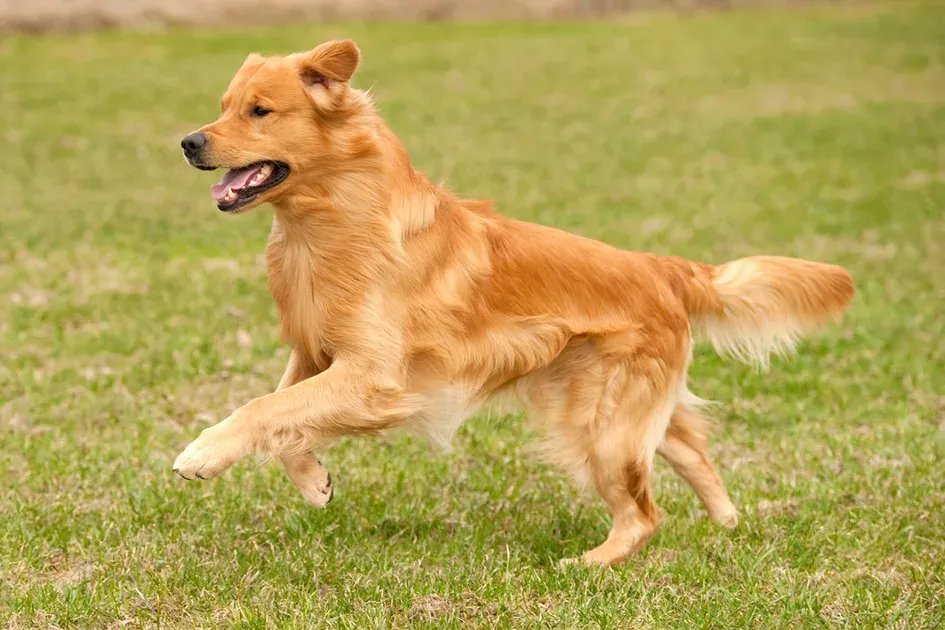
Valplekar is a term that has gained increasing visibility across online searches, blogs, and discussions, yet it is often misunderstood or inaccurately defined. While many modern articles describe valplekar as a concept, mindset, or creative framework, the word itself has a clear and authentic linguistic origin. At its core, valplekar is a Swedish term that refers to puppy play, a crucial element in early canine development.
The confusion surrounding valplekar arises largely because the term has crossed linguistic and cultural boundaries without sufficient context. As a result, it now exists in multiple interpretive layers, ranging from its original Swedish meaning to abstract digital and literary adaptations. Understanding valplekar correctly requires separating fact from reinterpretation, and origin from modern usage.
The Swedish Meaning of Valplekar
In the Swedish language, valplekar directly translates to “puppy play.” The word is formed by combining “valp,” meaning puppy, and “lekar,” meaning play. In Sweden, valplekar is a commonly understood term among dog owners, breeders, and trainers, and it carries no abstract or metaphorical ambiguity.
Valplekar refers to the natural, playful interactions that occur between puppies, particularly during their early developmental stages. These interactions are not merely recreational; they serve as a foundational mechanism through which puppies learn how to communicate, socialize, and adapt to their environment. This meaning is well established in Swedish canine culture and has been recognized for decades.
Why Valplekar Is Essential in Canine Development
Valplekar plays a critical role in shaping a puppy’s physical, social, emotional, and cognitive growth. During play, puppies develop coordination, balance, and muscular strength as they chase, wrestle, and explore their surroundings. These movements help establish healthy motor skills that influence their long-term physical well-being.
Beyond physical growth, valplekar is fundamental to social learning. Puppies learn boundaries, bite inhibition, and canine communication cues through interaction with littermates and other dogs. This early exposure reduces the likelihood of fear-based aggression or anxiety later in life. Emotional resilience also develops through valplekar, as puppies learn how to manage excitement, frustration, and submission in safe, playful contexts.
Mental stimulation is another key benefit. Play encourages problem-solving, adaptability, and curiosity, all of which contribute to a well-balanced adult dog. In this sense, valplekar is not optional; it is a developmental necessity.
Structured and Unstructured Valplekar
Valplekar occurs in both structured and unstructured forms, and each plays a complementary role in development. Structured valplekar typically takes place in controlled environments such as puppy training classes or guided play sessions. These settings provide supervision and ensure that interactions remain positive and safe, particularly for puppies with varying temperaments.
Unstructured valplekar, on the other hand, happens naturally in open environments such as homes, yards, or parks. This form of play allows puppies to explore freely, initiate interactions, and respond organically to stimuli. Unstructured play supports creativity and independent decision-making, while structured play reinforces social rules and confidence.
Both forms are important, and neither should replace the other entirely.
How Valplekar Became Visible in English Content
Despite being a Swedish word, valplekar has increasingly appeared in English-language content. This phenomenon is largely driven by globalization, digital search behavior, and automated content systems. As interest in dog training and animal welfare grows worldwide, foreign-language terms often surface in search results.
SEO tools sometimes identify valplekar as a low-competition keyword, prompting content creators to use it without fully understanding its linguistic background. In parallel, AI-generated articles have contributed to the spread of abstract or inaccurate definitions. When such content is republished or referenced repeatedly, the original meaning becomes diluted.
As a result, many English readers encounter valplekar without realizing that it is a specific Swedish term rather than a newly invented English concept.
Valplekar as a Conceptual or Abstract Term
In modern digital spaces, valplekar has occasionally been reinterpreted as a conceptual term representing adaptability, creativity, or innovation. In some articles, it is framed as a mindset or framework applicable to writing, branding, or personal development. These interpretations are not rooted in the original Swedish usage, but rather in metaphorical adaptation.
Such reinterpretations are common in digital culture, where unfamiliar words are sometimes repurposed to describe abstract ideas. While these meanings may hold symbolic value within specific contexts, they should be understood as secondary and constructed, not original definitions. Treating these adaptations as factual meanings can lead to misinformation and confusion.
Literary and Creative Reinterpretations of Valplekar
Some writers have extended the metaphor of valplekar into literature and creative theory, describing it as a balance between structure and freedom, or tradition and experimentation. In this context, valplekar is used symbolically to represent playful exploration within creative boundaries.
While these literary interpretations can be intellectually engaging, they are best viewed as artistic metaphors rather than linguistic truths. The risk arises when metaphorical usage is presented without clarification, leading readers to assume that such meanings are historically or culturally grounded.
Clear distinction between metaphor and origin is essential for maintaining content accuracy.
What Valplekar Is Not
Valplekar is often mistakenly described as a formal dog training method or behavioral correction technique. In reality, it is neither. It does not involve discipline, obedience commands, or performance-based outcomes. Valplekar is about natural interaction, not control.
It is also not a universal philosophical system or officially recognized framework in writing, business, or psychology. Any such applications are modern reinterpretations rather than established disciplines. Understanding what valplekar is not is just as important as understanding what it is.
Valplekar as a Surname and Cultural Identity
Adding another layer of complexity, Valplekar is also known as a surname in certain Indian communities. In this context, it functions as a family name tied to regional heritage, ancestry, and social identity. This usage is entirely separate from the Swedish term and has no connection to canine behavior or play.
The coexistence of these two unrelated meanings highlights the importance of context. Confusing the surname with the Swedish word can lead to cultural inaccuracies and misrepresentation. Responsible content creation requires acknowledging and respecting this distinction.
Common Myths and Misunderstandings About Valplekar
One common myth is that valplekar refers to rough or uncontrolled behavior among puppies. In reality, healthy puppy play is regulated through social cues and self-correction. Another misconception is that valplekar is only relevant for very young puppies. While it is most critical during early development, playful interaction remains beneficial throughout a dog’s life.
There is also a widespread misunderstanding that valplekar is a newly invented term. In fact, it has existed in Swedish language and culture long before its appearance in global search results.
Using the Term Valplekar Correctly in Content
When using the term valplekar in content, clarity and accuracy are essential. If referring to canine development, it should be clearly identified as a Swedish term meaning puppy play. If used metaphorically or creatively, that usage should be explicitly stated to avoid confusion.
Separating original meaning from abstract adaptation not only improves content credibility but also builds trust with readers and search engines alike. Accurate usage strengthens topical authority and prevents the spread of misinformation.
The Future of Valplekar as a Keyword and Concept
As digital content continues to expand, valplekar may further evolve in visibility and interpretation. Its future depends largely on how responsibly it is used. If creators prioritize accuracy and context, the term can remain informative and culturally respectful. If misuse continues, confusion will persist.
From an SEO perspective, valplekar remains a unique keyword with growing interest. However, long-term value will depend on content quality, factual grounding, and clarity of explanation rather than novelty alone.
Conclusion
Valplekar is not a vague trend or an invented buzzword. It is a real Swedish term with a specific and meaningful origin rooted in canine development. At the same time, its journey into global digital spaces has led to reinterpretation, abstraction, and occasional misuse.
Understanding valplekar requires recognizing its original meaning, acknowledging secondary adaptations, and respecting unrelated cultural identities associated with the same word. When approached with accuracy and clarity, valplekar becomes an excellent example of how language evolves in the digital age, and why responsible content creation matters more than ever.