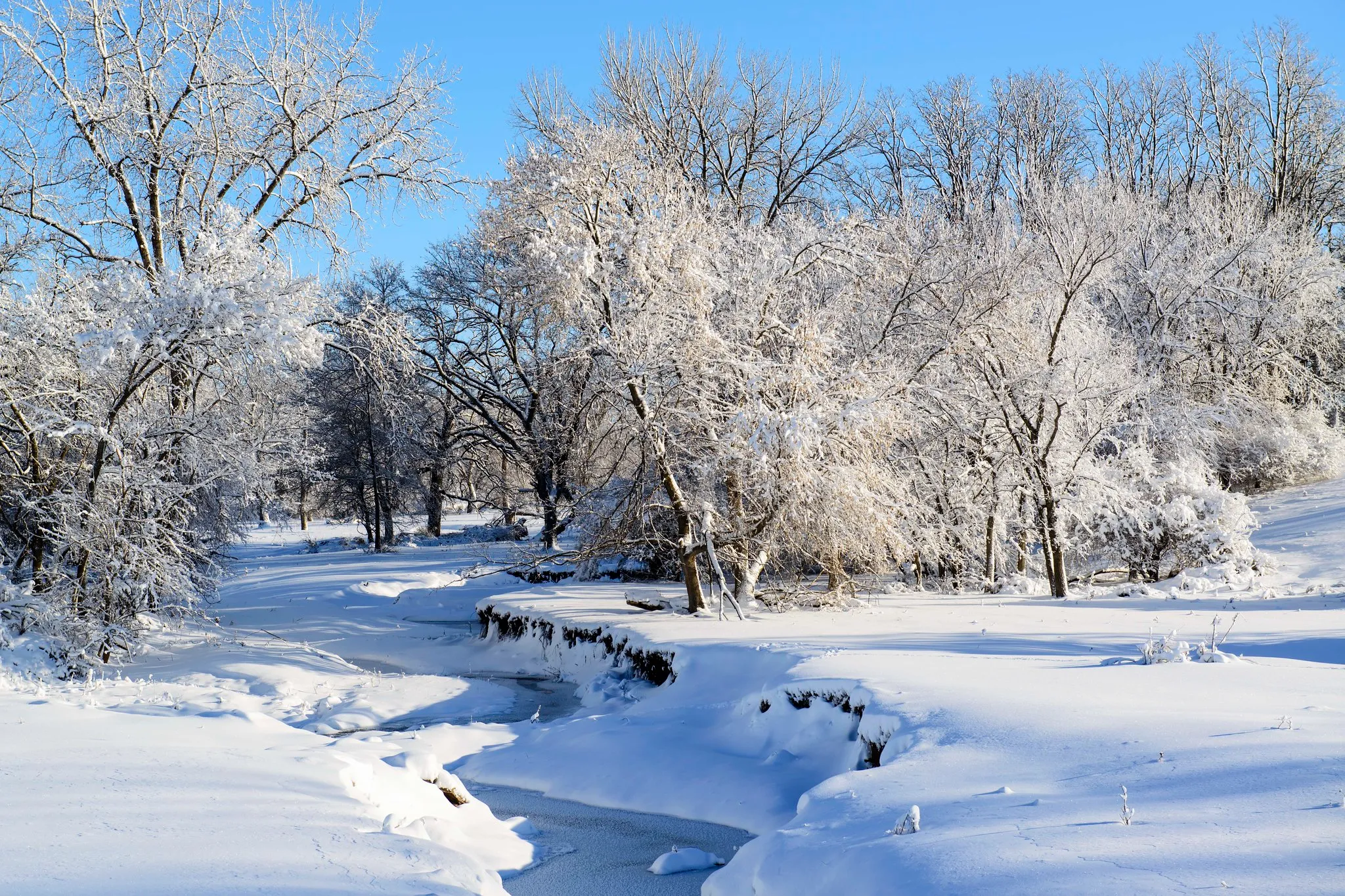
Snowhiter is a term that immediately evokes imagery of winter brilliance snow-covered landscapes, quiet forests wrapped in white, and a world transformed by frost and light. Yet despite its evocative tone, Snowhiter does not belong to traditional dictionaries, scientific glossaries, or recognized tourism registries. Instead, it represents something uniquely modern: a concept born through digital storytelling, shaped by repetition, and expanded by interpretation.
In today’s content-driven world, certain keywords emerge not because they are officially defined, but because they capture imagination. Snowhiter is one such keyword. It exists at the intersection of aesthetic language, emotional symbolism, fictional narrative, and digital culture. To understand Snowhiter fully, we must look beyond literal definitions and examine how it functions across multiple layers of meaning.
What Is Snowhiter?
Snowhiter can be best described as an ambiguity-driven winter concept that symbolizes the visual and emotional transformation created by snowfall. It is not a verified geographic location, nor is it a formally recognized meteorological phenomenon. Rather, Snowhiter serves as a descriptive narrative term that captures the magic, tranquility, and symbolic depth of snow covered environments.
The term has appeared in different contexts, sometimes describing breathtaking winter landscapes, other times framed as a fictional snowy retreat, and occasionally referenced as a metaphor within discussions about digital culture and branding. What connects these uses is the atmosphere Snowhiter conveys: purity, stillness, aesthetic beauty, and reflective calm.
Unlike concrete terms with fixed boundaries, Snowhiter operates as a conceptual umbrella. It adapts to context while maintaining a consistent emotional core rooted in winter imagery.
The Winter Aesthetic Foundation of Snowhiter
At its most recognizable level, Snowhiter represents the enchanting transformation of landscapes during winter. Snow alters how the world appears and feels. Hard lines soften under powder. Colors fade into whites and silvers. Sound becomes muted. Movement slows. The familiar turns cinematic.
Snowhiter captures this transformation in a single expression. It embodies the hush of early snowfall, the sparkle of frost under sunlight, and the visual poetry of snow-laden trees. The appeal lies not in scientific measurement but in sensory experience.
Winter imagery has always carried symbolic power. Across cultures, snow often represents renewal, purity, and transition. It marks both endings and beginnings — the close of one cycle and the quiet preparation for another. Snowhiter builds on this symbolic tradition while presenting it in contemporary digital language.
When people describe a landscape as Snowhiter, they are describing more than weather. They are describing mood, atmosphere, and the emotional resonance of winter stillness.
Snowhiter as Emotional and Psychological Experience
Beyond visual beauty, Snowhiter reflects a psychological state. Snow-covered environments tend to produce a sense of calm and introspection. The stillness after snowfall feels almost suspended in time. That pause can influence mood in subtle but powerful ways.
Many individuals associate snow with childhood memories — building snowmen, watching flakes fall from bedroom windows, or experiencing school closures during heavy storms. Snowhiter captures this nostalgic warmth wrapped in cold air. It symbolizes comfort within contrast.
Psychologically, bright snow can also reflect available light during darker winter months, creating a luminous environment even on overcast days. The visual simplicity of white expanses may reduce sensory overload, encouraging mindfulness. In this sense, Snowhiter becomes a metaphor for mental clarity — a seasonal reset that invites reflection.
The emotional layer of Snowhiter is central to its resonance. Without emotional depth, it would simply be another winter descriptor. With it, the term becomes immersive.
The Fictional Destination Narrative of Snowhiter
As Snowhiter gained online visibility, some content began presenting it as if it were a secluded mountain destination — a hidden winter village nestled between snow-capped peaks. Descriptions of ski slopes, local markets, cozy lodges, and regional cuisine added narrative richness.
However, no verified geographic location corresponds to Snowhiter. There are no official tourism boards or documented maps confirming its existence as a physical place. This absence of verification reveals an important truth: Snowhiter functions symbolically rather than geographically.
The fictional destination framing serves as a storytelling device. It transforms abstract winter imagery into a tangible mental escape. Snowhiter becomes the idealized winter retreat free from overcrowded resorts or commercial distractions. It represents the winter vacation people imagine rather than a specific place they can book on a travel website.
This imaginative flexibility enhances Snowhiter’s appeal. It allows audiences to project their own dream landscapes onto the term.
Snowhiter in the Context of Digital Culture
The digital age has redefined how concepts emerge. Not all ideas are formally launched or institutionally defined. Some grow organically through repetition and reinterpretation. Snowhiter exemplifies this phenomenon.
Online ecosystems reward curiosity and engagement. When a term lacks rigid definition, it encourages questions. Is Snowhiter a place? A movement? An aesthetic? A philosophy? This uncertainty invites discussion, and discussion fuels visibility.
Snowhiter aligns with modern content dynamics where layered meaning outperforms oversimplified messaging. It thrives in environments that value mood, imagery, and subtle symbolism. The term feels discoverable rather than advertised.
From a branding perspective, Snowhiter illustrates how ambiguity can function as strategy. Instead of defining itself loudly, it leaves interpretive space for audiences to participate in shaping its meaning. That participatory aspect reflects a broader cultural shift toward co-created narratives.
Why Ambiguity Strengthens Snowhiter
Traditional authority often relies on clarity. Yet in aesthetic and cultural contexts, ambiguity can increase longevity. Snowhiter’s adaptability allows it to operate across multiple domains without losing coherence.
It can describe a serene forest one moment and symbolize digital minimalism the next. It can represent winter nostalgia or serve as a metaphor for subtle branding. Because it is not confined to one strict definition, it remains versatile.
Ambiguity also stimulates imagination. Readers and creators contribute to the concept by layering their interpretations onto it. Snowhiter becomes a shared creative space rather than a fixed label.
This flexibility positions Snowhiter as more than a fleeting keyword. It becomes an evolving narrative shaped by community interaction.
The Cultural Significance of Winter Imagery
Winter has long occupied a powerful place in art, literature, and mythology. Snow-covered landscapes often symbolize quiet transformation, endurance, and preparation for renewal. Snowhiter draws from this cultural reservoir.
In contemporary aesthetics, minimalism and mood-driven storytelling have gained prominence. Snowhiter merges timeless winter symbolism with modern visual language. It captures the serene elegance that many digital audiences find appealing.
This blend of classical seasonal symbolism and contemporary expression allows Snowhiter to feel both nostalgic and current. It bridges generational aesthetics while remaining adaptable.
Clarifying the Reality of Snowhiter
For clarity and credibility, it is essential to emphasize that Snowhiter is not an officially recognized geographic region or scientific classification. It does not appear in meteorological databases or registered tourism directories.
Understanding Snowhiter as a conceptual framework prevents misinformation and strengthens authority. Its value lies not in institutional validation but in its narrative richness and cultural resonance.
By acknowledging this distinction, content about Snowhiter becomes both informative and trustworthy.
A Unified Framework for Understanding Snowhiter
To consolidate its interpretations, Snowhiter can be understood through four integrated layers.
The aesthetic layer reflects the visual transformation of winter landscapes under snow.
The emotional layer captures nostalgia, calm, and reflective introspection.
The narrative layer includes fictionalized winter retreats and imaginative travel storytelling.
The digital layer represents ambiguity-driven engagement and subtle cultural evolution.
Together, these layers form a cohesive structure. Snowhiter is not fragmented; it is multifaceted.
The Future of Snowhiter
The trajectory of Snowhiter depends on continued cultural use. If creators and audiences keep reinterpreting it, the concept may solidify into a recognized aesthetic category. It could inspire niche branding approaches rooted in quiet elegance and interpretive depth.
Alternatively, Snowhiter may remain a seasonal motif that resurfaces each winter, enriching storytelling without formal institutionalization.
What is certain is that Snowhiter demonstrates how modern keywords can gain momentum without traditional origin stories. In the digital era, meaning often emerges through repetition and resonance rather than formal declaration.
Conclusion
Snowhiter represents more than snow-covered scenery. It illustrates how contemporary culture constructs meaning through imagery, emotion, and shared interpretation. Rooted in winter aesthetics yet expanded through digital storytelling, Snowhiter embodies narrative elasticity.
Its strength lies in its openness. It invites imagination rather than enforcing definition. It allows winter beauty to serve as both visual inspiration and cultural metaphor.
In a world saturated with direct messaging, Snowhiter stands out for its subtlety. Like fresh snowfall, it transforms perception quietly but completely. And in that transformation, it reveals how even undefined words can carry profound resonance when shaped by collective imagination.
Snowhiter is not confined to maps or manuals. It exists wherever winter inspires reflection, wherever imagery evokes calm, and wherever interpretation turns atmosphere into meaning.