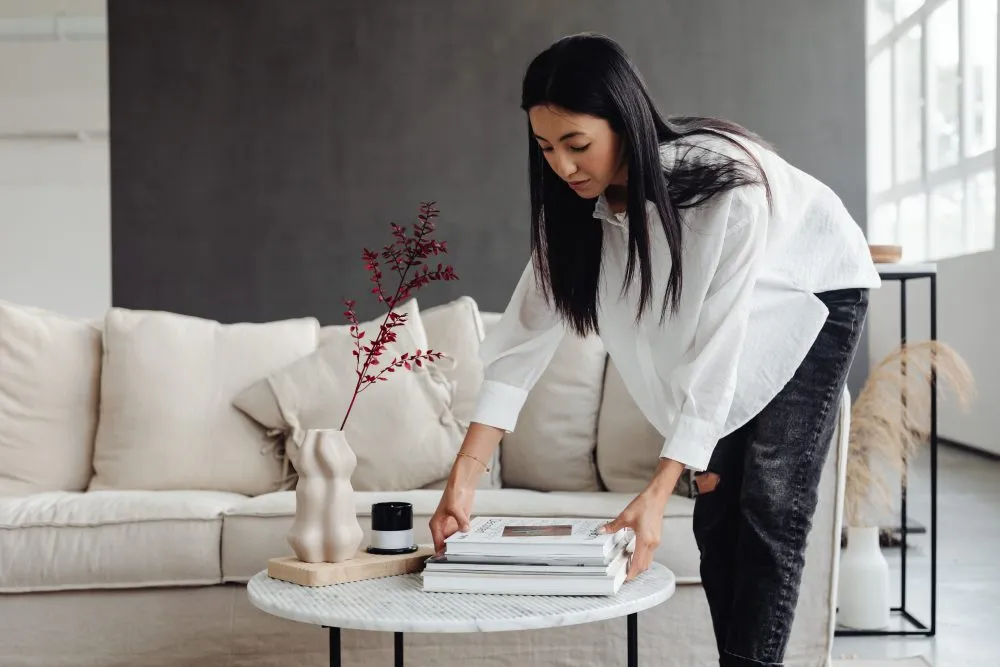
Pyjamaspapper is a modern term that has steadily gained attention across digital platforms, lifestyle discussions, and sustainability conversations. At first glance, the word may appear unusual, yet its growing presence reflects deeper cultural shifts shaping how people live, dress, and consume. Unlike traditional fashion terminology or established industrial materials, Pyjamaspapper does not originate from centuries-old practice or formal linguistic recognition. Instead, it represents a concept shaped by contemporary values—comfort, intentional living, and environmental awareness.
Understanding Pyjamaspapper requires looking beyond surface definitions. It is not confined to a single category. Rather, it has evolved into a flexible idea that connects two major interpretations: a refined comfort-driven lifestyle centered on elevated loungewear, and an eco-conscious approach to sustainable paper production. While these meanings differ in application, both reflect a shared commitment to softness, simplicity, and thoughtful living.
The Meaning and Linguistic Structure of Pyjamaspapper
The structure of the word Pyjamaspapper suggests a compound formation. “Pyjamas” refers to sleepwear associated with comfort and relaxation. “Papper,” a Scandinavian term meaning paper, introduces an element often linked symbolically with creativity, structure, or sustainability. Although this construction resembles Scandinavian compound patterns, there is no verified dictionary entry confirming Pyjamaspapper as a traditional word.
Instead, the term has been shaped through digital interpretation. In lifestyle content, “pyjamas” symbolizes rest and softness, while “paper” represents expression, creativity, or conscious production. Combined, the word becomes a metaphor for balance—comfort blended with intention. This reinterpretation reflects modern branding trends, where language evolves to mirror cultural priorities rather than historical precedent.
Pyjamaspapper as a Comfort-Focused Fashion Concept
The most widely discussed interpretation of Pyjamaspapper relates to fashion and lifestyle. In this context, Pyjamaspapper represents elevated loungewear designed to bridge the gap between private relaxation and public presentation. It embodies the idea that comfort should not be limited to the bedroom and that softness can coexist with sophistication.
The shift toward comfort-oriented fashion accelerated dramatically in recent years. As work-from-home culture expanded and traditional dress codes softened, clothing priorities transformed. Structured office attire gave way to breathable fabrics, relaxed silhouettes, and versatile garments capable of adapting to hybrid lifestyles. Pyjamaspapper emerged as a term capturing this transformation.
Rather than oversized, purely functional pajamas, Pyjamaspapper fashion emphasizes intentional design. Matching sets with clean lines, wide-leg trousers paired with tailored tops, and silk or bamboo blends that offer both elegance and ease define the aesthetic. The focus lies in thoughtful craftsmanship that allows the wearer to feel at ease while maintaining a polished appearance.
The Cultural Forces Behind the Rise of Pyjamaspapper
The popularity of Pyjamaspapper in fashion is not accidental. It reflects several intersecting cultural trends that have reshaped modern life.
Work-From-Home Normalization
Remote and hybrid work models have permanently altered daily routines. When homes became offices, clothing had to adapt. People sought garments that provided comfort during long hours indoors without appearing unprepared for virtual meetings. Pyjamaspapper fashion satisfies this demand by offering refined loungewear that feels relaxed yet intentional.
The Slow Living Movement
Minimalism and intentional living have influenced consumer choices. Individuals increasingly value uncluttered spaces, calm routines, and tactile comfort. Pyjamaspapper aligns with these values by emphasizing breathable fabrics, neutral palettes, and adaptable silhouettes that support a balanced lifestyle.
Wellness and Emotional Comfort
Psychological research suggests clothing affects mood and productivity. Soft fabrics reduce physical irritation, while relaxed fits minimize bodily tension. Wearing garments designed for comfort can promote a sense of calm and focus. Pyjamaspapper, in this sense, becomes part of a holistic wellness approach rather than merely a fashion statement.
Materials That Define Pyjamaspapper Fashion
Fabric selection is central to the Pyjamaspapper identity. The emphasis remains on natural, breathable, and durable materials that enhance both comfort and sustainability.
Organic cotton is frequently associated with this style due to its softness and airflow. Modal offers smooth texture and flexibility, making it suitable for long wear. Bamboo blends are valued for moisture control and eco-conscious appeal. Silk introduces understated luxury, while linen blends provide structure in warmer climates.
These materials reinforce the core promise of Pyjamaspapper: softness with intention and comfort without compromise.
Styling Pyjamaspapper Beyond the Bedroom
One of the defining characteristics of Pyjamaspapper fashion is versatility. The garments are designed to transition seamlessly from private relaxation to public spaces.
A coordinated cotton set may be paired with minimalist sneakers for errands. A silk top can be layered beneath a structured blazer for a casual dinner. Wide-leg lounge trousers styled with understated accessories create an effortlessly refined daytime look.
This flexibility reflects the broader blending of personal and professional environments. Pyjamaspapper fashion acknowledges that comfort is not incompatible with confidence. Instead, it suggests that authenticity in dress enhances presence.
Pyjamaspapper as a Sustainable Paper Concept
Beyond fashion, Pyjamaspapper has also emerged in sustainability discussions as a concept describing eco-friendly paper production. In this interpretation, the term refers to paper manufactured using recycled fibers, responsibly managed forestry resources, and reduced chemical processing.
The environmental impact of traditional paper production—deforestation, high water usage, and carbon emissions—has driven demand for alternatives. Within this context, Pyjamaspapper symbolizes a move toward conscious consumption. It reflects the idea that everyday materials can be produced responsibly without sacrificing performance or durability.
Although this meaning is less dominant than the fashion interpretation, it highlights the adaptability of the term and its alignment with modern environmental awareness.
Environmental Relevance and Conscious Consumption
The sustainable interpretation of Pyjamaspapper connects to broader global efforts promoting responsible resource management. Consumers increasingly seek transparency in production processes and prefer materials with lower ecological footprints.
By positioning Pyjamaspapper as a paper alternative prioritizing recycled fibers and energy-efficient manufacturing, sustainability-focused content aligns the term with ethical values. This reinforces the shared theme present in both interpretations: mindful choice.
Whether worn as clothing or used as material, Pyjamaspapper symbolizes consideration for impact—on the body or the planet.
The Ambiguity of Pyjamaspapper and Why It Matters
A unique aspect of Pyjamaspapper is its ambiguity. Unlike standardized fashion categories or certified industrial materials, Pyjamaspapper has evolved through digital repetition rather than institutional endorsement.
This ambiguity is not necessarily a weakness. It demonstrates how modern language adapts to reflect cultural change. The flexibility of the term allows it to resonate across multiple domains, united by common themes of softness, simplicity, and responsibility.
However, clarity remains essential. Recognizing the two primary interpretations prevents confusion and strengthens understanding.
The Psychological Appeal of the Pyjamaspapper Concept
The enduring appeal of Pyjamaspapper lies in its psychological resonance. In a fast-paced, digitally saturated world, softness offers relief. Clothing that feels gentle against the skin can reduce stress signals. Environments that prioritize calm textures and warm tones support emotional balance.
Similarly, choosing environmentally responsible materials can provide moral reassurance. Conscious consumption aligns daily habits with ethical intentions.
Pyjamaspapper captures this intersection of physical comfort and ethical awareness. It represents a lifestyle preference grounded in thoughtful simplicity.
The Future of Pyjamaspapper
The trajectory of Pyjamaspapper depends on how consistently it is defined and adopted. If the comfort-fashion interpretation continues to dominate, it may solidify into a recognized niche within elevated loungewear. Designers may refine the aesthetic further, integrating sustainable textiles and multifunctional design elements.
If the sustainable paper interpretation gains broader industrial recognition, it could evolve into a formal branding category within eco-material production.
Regardless of direction, the core values embedded within Pyjamaspapper—intentional comfort and responsible living—are likely to remain relevant.
Conclusion
Pyjamaspapper is more than an unusual compound word. It is a reflection of contemporary cultural priorities shaped by digital discourse and shifting lifestyles. With two dominant interpretations—elevated comfort fashion and sustainable paper production—the term embodies a shared commitment to softness, simplicity, and conscious choice.
In fashion, Pyjamaspapper represents refined loungewear that balances relaxation with confidence. In sustainability discussions, it symbolizes environmentally responsible material production. Both meanings converge around the idea of thoughtful living.
As modern consumers continue to prioritize wellbeing and responsibility, Pyjamaspapper stands as a linguistic example of how evolving language mirrors evolving values. It is not rooted in centuries of tradition but in the present desire for comfort with intention.
Understanding Pyjamaspapper means recognizing its flexibility while appreciating the consistent themes that define it. Whether interpreted as clothing or material, its essence remains clear: comfort aligned with consciousness in a changing world.