Wildlife management is a defining feature of environmental governance in Norway, a country known for vast forests, mountainous terrain and abundant animal populations. At the heart of this system stands viltnemnda, the municipal wildlife committee responsible for balancing conservation, hunting regulation and public safety at the local level.
Viltnemnda represents a distinctive model of decentralised environmental management where local knowledge, scientific guidance and community participation combine to protect ecosystems while allowing sustainable use of natural resources.
What Is Viltnemnda
Viltnemnda is a locally appointed wildlife management committee established by Norwegian municipalities. The term translates directly to wildlife committee, reflecting its role in overseeing wild animal populations and related environmental issues within a specific geographic area.
Unlike national agencies that develop overarching policies, viltnemnda applies those policies at the municipal level. This local focus allows decisions to reflect actual wildlife populations, habitat conditions and community needs. The committee acts as a bridge connecting government authorities, hunters, farmers, landowners and citizens.The fundamental purpose of viltnemnda is to ensure that wildlife and human society coexist sustainably. It seeks to protect biodiversity, regulate hunting responsibly and address conflicts between animals and human activities.
Viltnemnda Legal Framework and Authority
Viltnemnda operates within a structured legal system designed to safeguard Norway’s biodiversity while permitting responsible resource use. Two key laws provide its authority.
Wildlife Act (Viltloven)
The Wildlife Act regulates hunting practices, wildlife protection and sustainable use of game species. It establishes rules for hunting seasons, quotas and ethical harvesting methods. Under this law, municipalities are granted responsibility for managing wildlife locally through committees like viltnemnda.
Nature Diversity Act (Naturmangfoldloven)
The Nature Diversity Act provides a broader framework for ecosystem protection and biodiversity conservation. It emphasises sustainable management, precautionary decision-making and protection of habitats. The act requires authorities to consider long-term environmental impacts when making decisions.
Local wildlife management is guided nationally by institutions such as the Norwegian Environment Agency, which provides policy direction, research data and regulatory oversight.
Structure and Membership of Viltnemnda
Each municipality in Norway appoints its own viltnemnda, typically consisting of several members selected by the municipal council based on their knowledge of local ecosystems and practical experience in land and wildlife management. Members often come from diverse professional backgrounds, including hunting and wildlife management, agriculture and forestry, environmental science, municipal administration and conservation work.
This multidisciplinary composition enables the committee to assess wildlife issues from ecological, economic and social perspectives, ensuring well-balanced and informed decision-making. Members generally serve fixed terms and meet regularly to review wildlife data, evaluate management policies and respond to local incidents involving wild animals.
Key Responsibilities of Viltnemnda
The responsibilities of viltnemnda extend across multiple areas of environmental governance. Its work directly affects biodiversity conservation, hunting regulation and public safety.
Wildlife Population Monitoring and Management
One of viltnemnda’s core responsibilities is monitoring local wildlife populations to maintain ecological balance across municipalities in Norway. Large game species such as moose, deer and roe deer require active management because unchecked population changes can disrupt ecosystems and human activities. To make informed decisions, the committee relies on multiple sources of data, including field observations, hunter reports, scientific surveys and habitat analysis.
Regulation of Hunting and Permits
Viltnemnda regulates hunting activities within the municipality. It approves hunting plans, allocates quotas and ensures that hunting practices comply with national laws and ethical standards.
Sustainable hunting plays an important ecological role in Norway. Properly managed harvesting helps maintain balanced populations, reduces disease risk and prevents habitat degradation caused by overgrazing.
Managing Human Wildlife Conflict
As human development increasingly expands into natural habitats, interactions between wildlife and human activity have become more frequent across municipalities in Norway. In response, viltnemnda carefully evaluates conflict situations and recommends practical, locally appropriate solutions. Common issues include crop damage caused by grazing animals, predation on livestock, wildlife entering residential areas, damage to infrastructure and safety risks along roads where animal crossings are frequent.
Handling Injured and Dead Wildlife
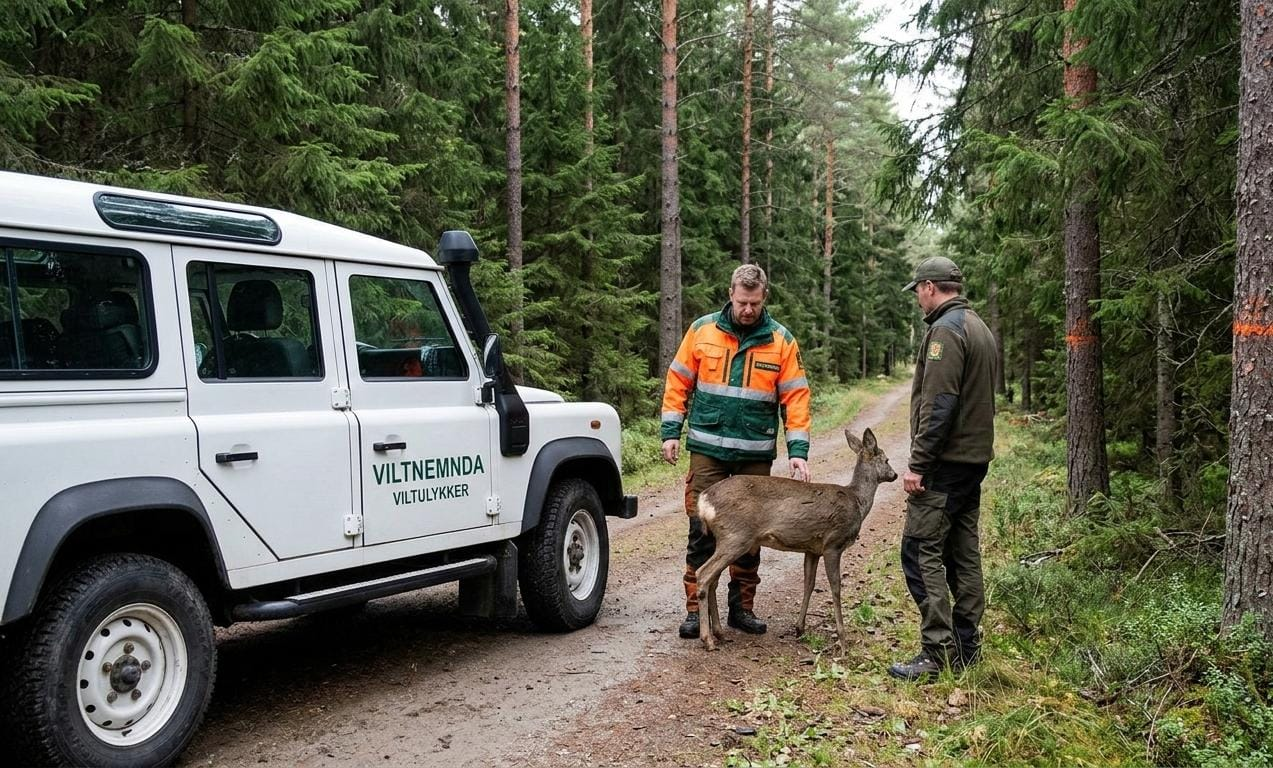
Wildlife-vehicle collisions are a significant issue in rural regions. When accidents occur, police authorities notify the local wildlife committee. Trained responders locate injured animals, assess their condition and ensure humane treatment.Viltnemnda also oversees removal of animal carcasses and records data from incidents. This information helps authorities identify high-risk areas and implement preventive measures such as warning signs or habitat adjustments.
Habitat Protection and Land-Use Guidance
Municipal planning decisions can significantly affect wildlife habitats. Viltnemnda advises local authorities on development projects, infrastructure expansion and land-use changes.Its recommendations help protect migration routes, breeding areas and ecological corridors. This advisory role ensures that environmental considerations are integrated into local development strategies.
Cooperation and Institutional Coordination
Effective wildlife governance requires cooperation across multiple sectors. Viltnemnda collaborates with:
- municipal planning departments
- environmental authorities
- police services
- hunters’ organisations
- agricultural stakeholders
- research institutions
This coordinated approach ensures consistency between local decisions and national conservation objectives. Collaboration also allows for data sharing, joint problem-solving and improved policy implementation.
Public Participation of Viltnemnda
Public engagement is a central feature of Norway’s wildlife management system. Citizens contribute to conservation efforts by reporting wildlife incidents, participating in consultations and following responsible environmental practices.Viltnemnda encourages communication between authorities and residents. Transparent decision-making builds trust and ensures that policies reflect community needs as well as ecological priorities.Educational initiatives often inform the public about:
- wildlife behaviour and safety
- ethical hunting practices
- biodiversity conservation
- coexistence strategies
This participatory model strengthens long-term sustainability by fostering shared responsibility for environmental stewardship.
Challenges Facing Viltnemnda
Despite its vital role in local environmental governance, viltnemnda faces a range of complex challenges that demand adaptive management and continuous learning across municipalities in Norway. Wildlife management often involves balancing competing interests, as hunters, farmers, conservationists and residents may hold differing views on population control, habitat protection and land use, requiring the committee to reach decisions that are both fair and effective.
At the same time, smaller municipalities may struggle with limited funding, equipment and trained personnel, which can constrain wildlife monitoring efforts and emergency response capacity. Environmental change presents another major challenge, as climate shifts alter ecosystems, migration patterns and species distribution, requiring updated strategies and closer cooperation with scientific institutions.
Technological Advancements in Viltnemnda
Modern technology is transforming local wildlife governance. Many municipalities are adopting innovative tools to improve monitoring and decision-making.Key technologies include:
- GPS tracking of large mammals
- camera trap monitoring systems
- drone-based habitat surveys
- digital reporting platforms
- data-driven population modelling
These tools enhance accuracy, efficiency and transparency in wildlife management processes.
Future of Viltnemnda in Norway
As environmental awareness grows, the role of viltnemnda is expected to expand across municipalities in Norway. Future developments may include stronger regional cooperation between municipalities, improved data integration and increased use of advanced monitoring technologies. Education and community engagement will likely remain central priorities, ensuring that citizens understand and support sustainable wildlife management.
By strengthening partnerships between residents, authorities and scientific institutions, viltnemnda can continue to evolve as an effective model of local environmental governance. This forward-looking approach will help communities respond more effectively to environmental change while preserving biodiversity. In the long term, enhanced coordination and innovation will further strengthen Norway’s capacity to maintain a balanced relationship between people and wildlife.
Why Viltnemnda Matters for Sustainable Development
Viltnemnda demonstrates how local governance can effectively support national sustainability goals in Norway by translating environmental policy into practical action at the municipal level. Through its work, the committee contributes directly to biodiversity conservation, responsible use of natural resources, strengthened ecosystem resilience, improved public safety and sustainable rural development.
By carefully aligning ecological protection with the needs of local communities, viltnemnda helps maintain environmental stability while supporting social and economic wellbeing. This integrated approach ensures that Norway’s natural heritage is preserved and responsibly managed for present and future generations.
Conclusion
Viltnemnda stands as a cornerstone of Norway’s wildlife management system. Through local expertise, legal authority and community cooperation, it ensures that wildlife populations remain healthy while human activities remain sustainable.
Its responsibilities from regulating hunting and protecting habitats to resolving conflicts and responding to emergencies illustrate the importance of decentralised environmental governance. As global environmental challenges intensify, viltnemnda offers a powerful example of how local institutions can safeguard biodiversity while supporting society.