








Indoor plants do more than decorate a room. They soften hard corners, clean the air a little, and give you a small daily ritual that is genuinely calming — watering, wiping a leaf, watching a new shoot appear. Yet many beginners give up after their first plant dies, convinced they have a “black thumb”. In truth, most houseplants die for a few predictable reasons: too much water, too little light, or the wrong plant for the room. This guide covers the easiest indoor plants for beginners, how to choose the right ones for your home, and the simple care habits that keep them alive and thriving.
Why Start With Easy Plants
Not all houseplants are equal. Some, such as orchids and fiddle-leaf figs, are famously fussy about humidity, light, and watering, and they punish small mistakes by dropping leaves. Others are almost indestructible. For a beginner, the goal is to build confidence: start with plants that forgive a missed watering and tolerate a range of light, learn the basic routine, and only then move on to the more demanding varieties. The plants below are popular precisely because they survive real homes — with imperfect light, irregular watering, and owners who are still learning.
The Easiest Indoor Plants for Beginners
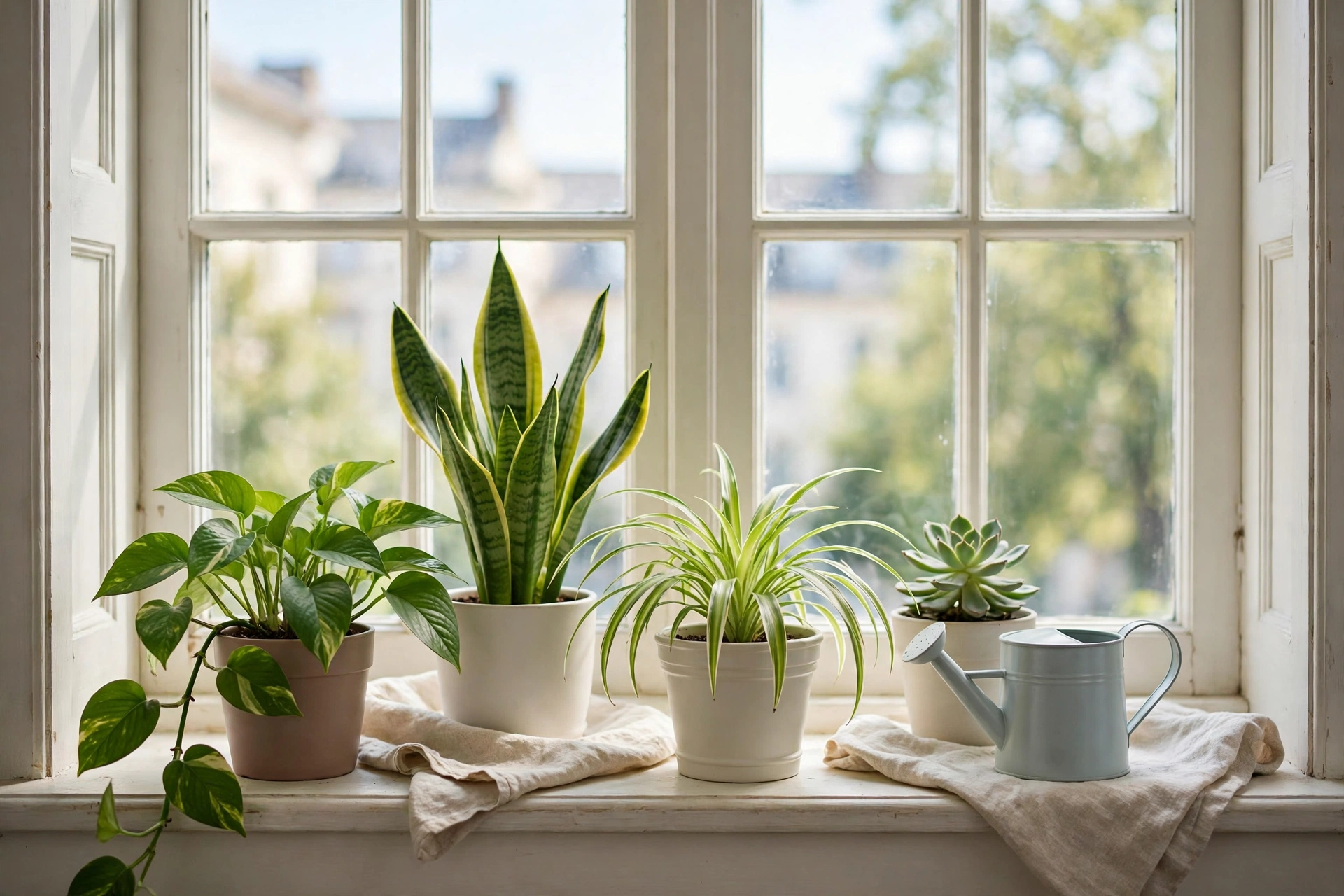
Snake plant (Sansevieria). Tall, architectural leaves that tolerate low light and need watering only every two to three weeks. It is almost impossible to kill by neglect, though it dislikes sitting in water. Perfect for bedrooms and offices.
Pothos (Epipremnum aureum). A trailing vine with heart-shaped leaves that grows happily in low to bright indirect light. It tells you when it is thirsty by drooping slightly, then perks up within hours of watering. Easy to propagate: snip a stem, place it in water, and roots appear in a week or two.
Spider plant (Chlorophytum comosum). A cheerful, arching plant that produces baby “spiderettes” on long stems, which you can pot up into new plants. It tolerates a range of light and is one of the most forgiving plants for beginners.
ZZ plant (Zamioculcas zamiifolia). Glossy, dark green leaves and thick stems that store water, so it survives weeks of neglect. It grows slowly and tolerates low light, making it ideal for a dim corner.
Peace lily (Spathiphyllum). Elegant white flowers and a clear signal when it needs water — it droops dramatically, then recovers quickly. It prefers indirect light and regular watering, and it is a good choice for a bathroom, where it enjoys the humidity.
Monstera deliciosa. The fashionable plant with split leaves, and more forgiving than it looks. Give it bright indirect light, water when the top few centimetres of soil are dry, and provide a moss pole or trellis as it grows.
How to Choose Plants for Your Home
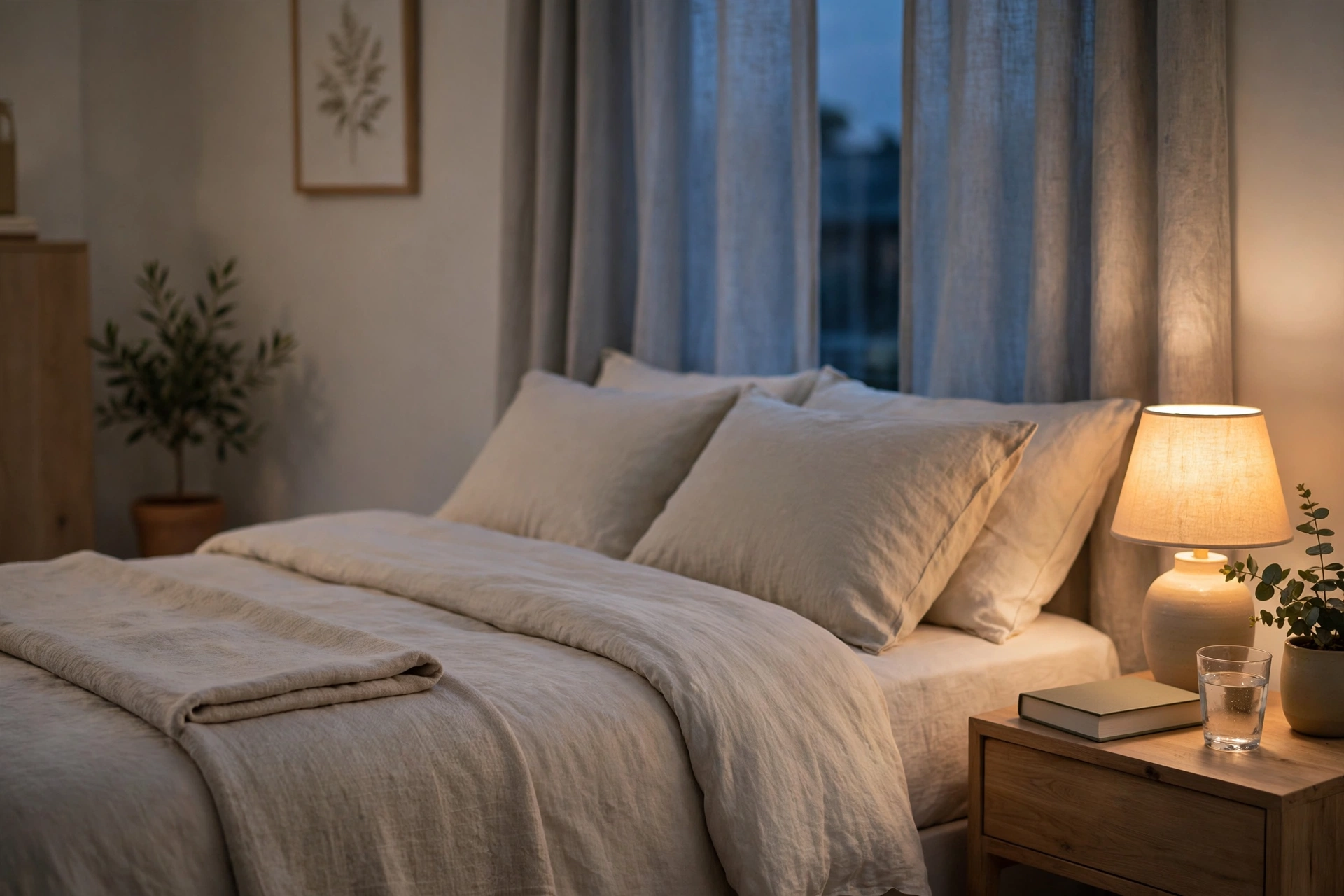
Before you buy, look at your light. A south-facing window gets strong direct sun for much of the day; a north-facing window gets gentle indirect light. Most beginner plants prefer bright indirect light — near a window but out of harsh direct sun, which can scorch leaves. If you have only low light, choose a snake plant, ZZ plant, or pothos. Next, be honest about your habits: if you travel often or forget to water, pick drought-tolerant plants such as the snake plant or ZZ plant; if you enjoy a daily routine, a peace lily or monstera will reward the attention. Also consider pets and children: some common plants, including pothos, monstera, and peace lily, are toxic if eaten, so keep them out of reach or choose pet-safe alternatives such as spider plants and Boston ferns. A plant that suits your light, your habits, and your household is one you will keep alive — and a thriving plant does more for a room than any decoration, just as a well-chosen lamp can change how a space feels.
The Basics of Indoor Plant Care
Most plant care comes down to four things: light, water, soil, and feeding. Light we covered above. For water, the rule is simple: check the soil before you water. Push your finger a few centimetres into the soil — if it feels dry, water thoroughly until it drains from the bottom, then empty the saucer so the plant is not sitting in water. Overwatering kills far more plants than underwatering, because soggy soil rots the roots. Use a pot with drainage holes and a light, well-draining potting mix. Feed sparingly: a diluted liquid fertiliser once a month during spring and summer is enough, and no feeding is needed in winter when growth slows. Finally, wipe dusty leaves occasionally and turn the plant every week or two so it grows evenly instead of leaning toward the window.
Where to Place Plants in Your Home
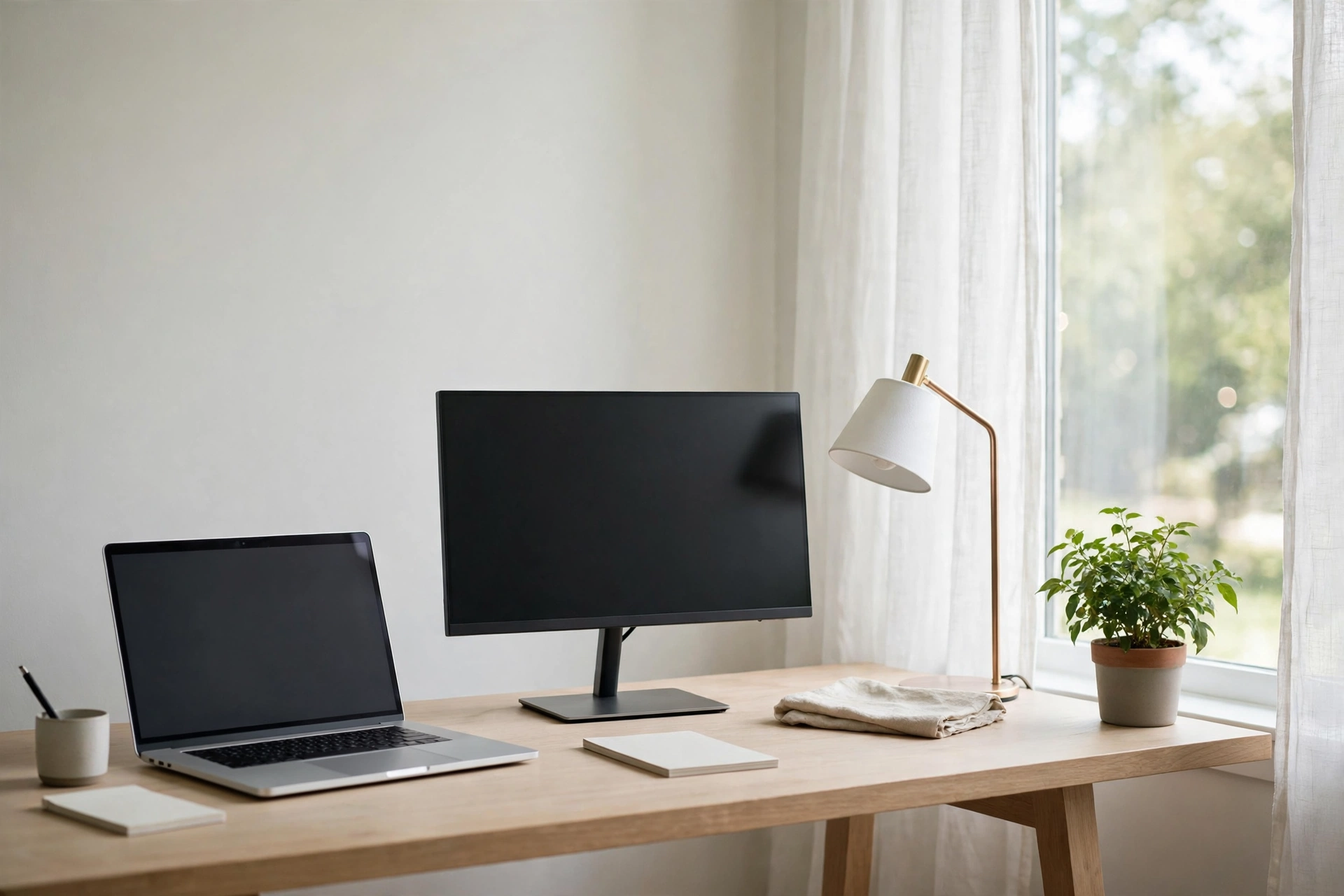
Placement is about matching the plant to the room. Bright, indirect light near an east- or west-facing window suits most plants. Bathrooms suit humidity-loving plants such as peace lilies and ferns, because steam from showers raises the moisture in the air. Kitchens are good for herbs and trailing pothos on a high shelf. Bedrooms suit snake plants, which release oxygen at night. Keep plants away from radiators, air-conditioning vents, and cold draughts, all of which stress them. And group plants together: a cluster creates its own humid microclimate and looks far better than a single lonely pot. If you are setting up a workspace, a plant on your desk is one of the cheapest upgrades you can make — it softens the space and gives your eyes something green to rest on, which pairs well with a home office that helps you focus.
Common Mistakes Beginners Make With Indoor Plants
The most common mistake is overwatering — watering on a schedule rather than checking the soil, so the roots sit in water and rot. Another is giving a plant too little light and then wondering why it stretches, drops leaves, or stops growing; a plant that is “low light tolerant” still needs some light. Many beginners repot too often or into a pot far too large, which holds too much wet soil. Others use garden soil indoors, which compacts and suffocates roots — always use a potting mix made for containers. A surprising number of people place a new plant in direct sun immediately, scorching leaves that were grown in a shaded nursery; move a plant into brighter light gradually. And many give up after a single yellow leaf, when a yellow leaf is often just an old leaf retiring, not a sign of disaster.
Frequently Asked Questions
What is the easiest indoor plant for a complete beginner?
A snake plant or a pothos. Both tolerate low light and irregular watering, and they give clear signals when they need attention. Start with one of these and add more once you are confident.
How often should I water indoor plants?
Check the soil, not the calendar. Water when the top few centimetres feel dry, and water thoroughly until it drains out. Most beginner plants need watering every one to three weeks, depending on light, season, and pot size.
Do indoor plants need direct sunlight?
Most prefer bright indirect light — near a window but out of harsh direct sun, which can scorch leaves. A few, such as succulents and cacti, do like direct sun. Match the plant to the light you actually have.
Why are my plant’s leaves turning yellow?
Yellow leaves are most often caused by overwatering, but they can also mean the plant needs more light, is too cold, or is shedding an old leaf. Check the soil first: if it is soggy, let it dry out and water less often.
Are indoor plants safe for pets?
Some are not. Pothos, monstera, and peace lilies are toxic if eaten by cats or dogs. Pet-safe choices include spider plants, Boston ferns, and calathea. Keep toxic plants out of reach or choose safe ones if you have curious pets.
Do I need to fertilise indoor plants?
A little, in the growing season. Use a diluted liquid fertiliser once a month in spring and summer, and skip it in winter when growth slows. Over-fertilising can burn roots, so less is more.
Can indoor plants really clean the air?
They help a little, but not as much as the famous NASA study suggested — you would need a very large number of plants to purify a room. Their real benefits are humidity, beauty, and the calming effect of caring for something living.