







A home office is not just a desk in a spare room. It is a workspace that protects your attention, supports your body, and signals to everyone in the house — including you — that work is happening. Many people who work from home struggle not because they lack discipline, but because their setup fights them: a kitchen table that doubles as a homework station, a chair that hurts after an hour, a room full of distractions. This guide shows how to create a home office that actually helps you focus, whether you have a whole room or only a corner, and without spending a fortune.
Pick the Right Spot First
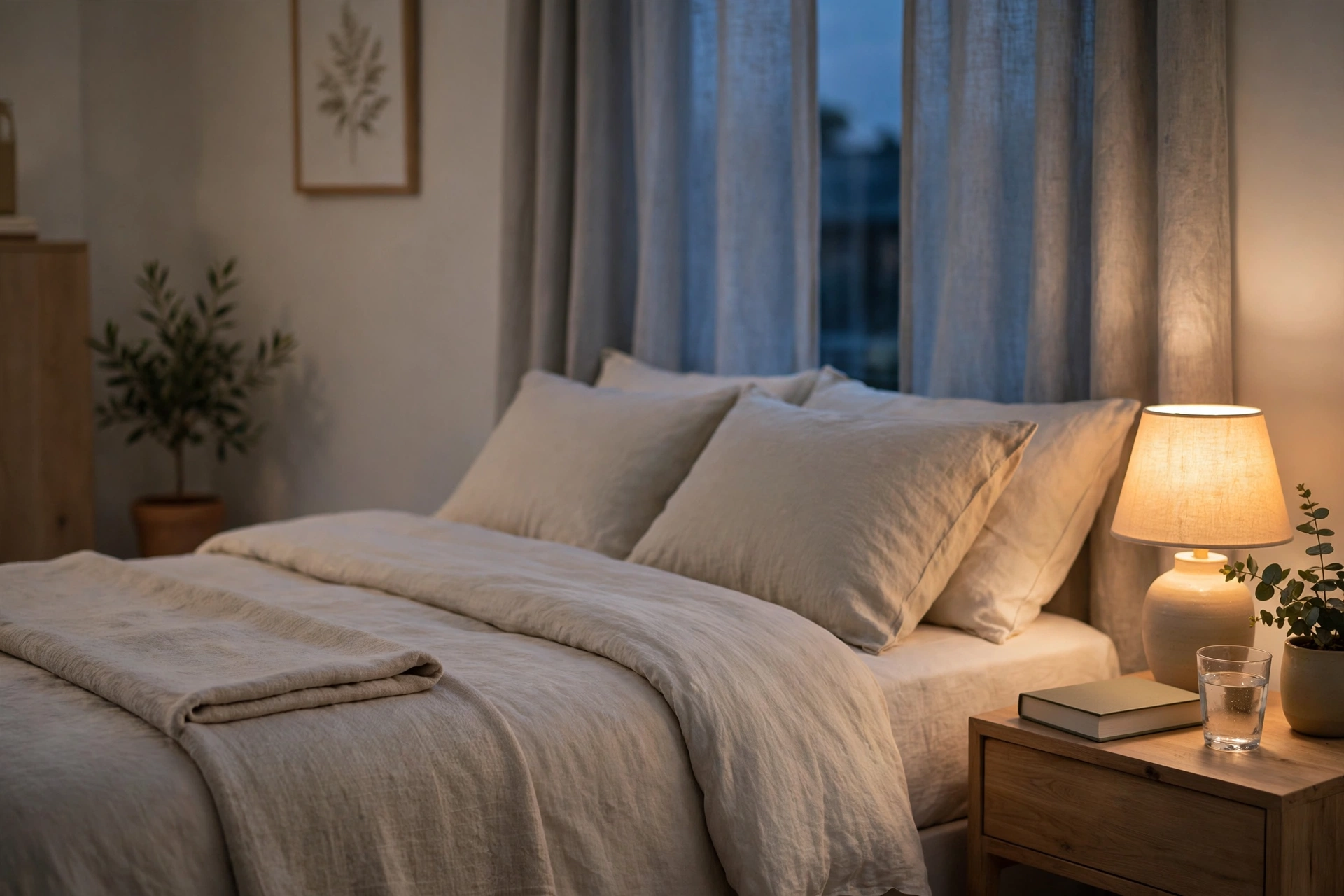
Location matters more than furniture. Choose the quietest corner you can, ideally with a door you can close and natural light from a window. A spare bedroom is ideal, but a corner of a living room or even a wide hallway can work if you define it clearly. Face your desk toward the room rather than a blank wall if you can, because staring at a wall all day is draining, and a view — even of a garden or a street — gives your eyes somewhere to rest. Avoid setting up in the bedroom if you can help it: working where you sleep blurs the line between rest and work, and poor sleep makes focus harder the next day, which is why good sleep habits matter as much as a good chair.
If space is tight, a room divider, a bookshelf, or even a curtain can mark the boundary of your office. The point is not to build a wall but to create a clear signal: when you sit here, you are at work. That signal helps your family respect your time, and it helps your brain switch into work mode.
The Desk and Chair Matter More Than Decor
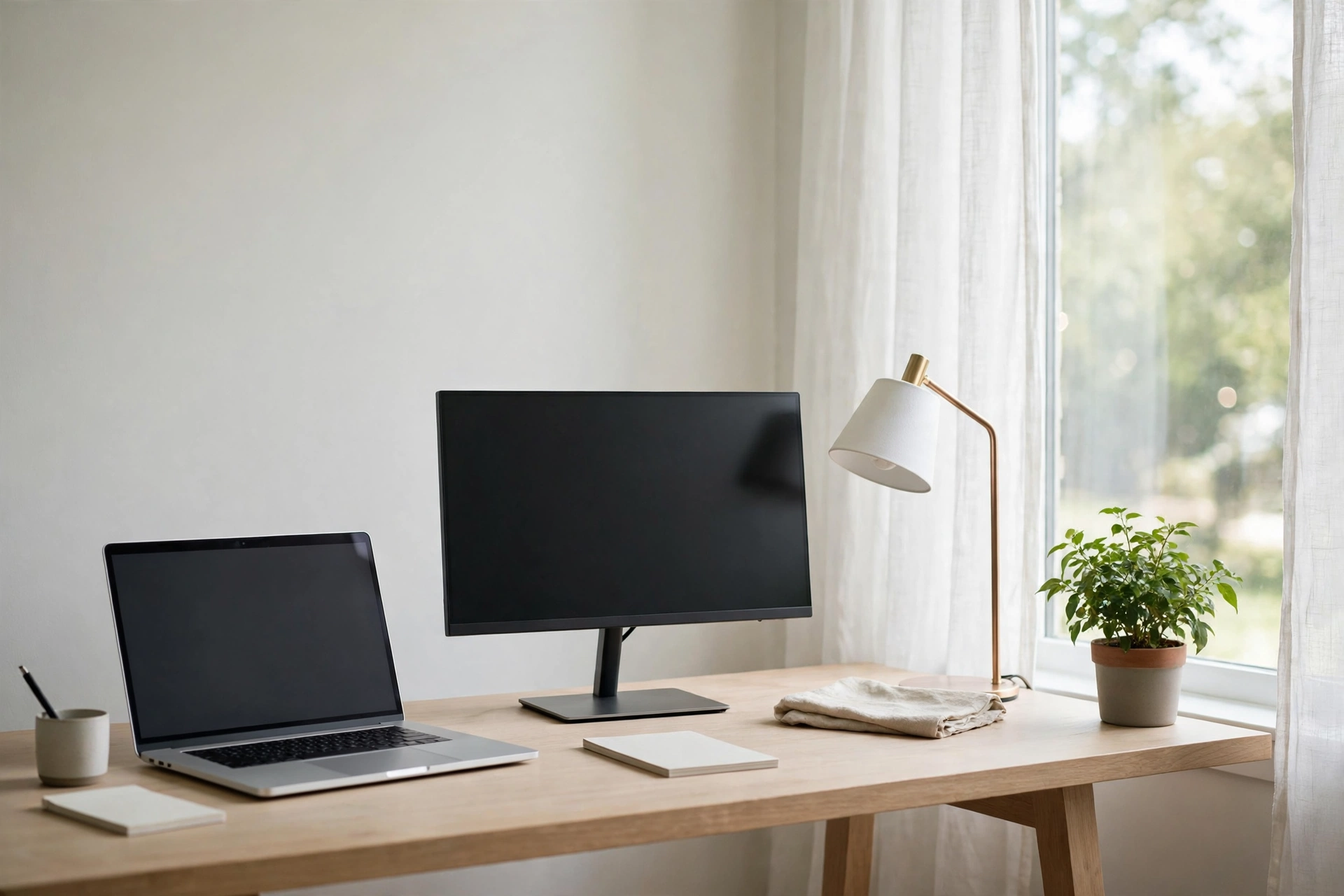
Your chair is the single most important purchase for a home office, because you will spend six to eight hours a day in it. A good chair supports your lower back, lets your feet rest flat on the floor, and allows your elbows to sit at roughly a right angle when you type. You do not need the most expensive model, but you should sit in it before you buy, or buy from a seller with a generous return policy. Your desk should be large enough for your screen, keyboard, and a notebook, with space to spread out a little. A height of around 73 to 76 centimetres suits most adults, and a monitor arm or a stack of books can raise your screen to eye level, which stops the neck strain that comes from looking down all day.
Lighting is the cheapest upgrade with the biggest effect. Natural daylight is best, so place your desk near a window if possible, with the light coming from the side rather than from behind your screen, which causes glare. For evenings, a warm desk lamp aimed at your work surface beats a harsh ceiling light, and it also makes video calls look far better.
Control Noise and Distractions
Noise is the most common complaint of home workers. If you cannot close a door, noise-cancelling headphones are the next best thing, and even a pair of ordinary earbuds playing soft instrumental music or white noise can create a bubble of focus. Agree on quiet hours with the people you live with, and put a simple sign on the door during calls. Just as important is controlling digital distractions: turn off non-essential notifications, keep your phone in another room or in a drawer, and use a website blocker during deep work. Willpower is unreliable; a setup that removes temptation is far more effective.
Organise Your Space So It Stays That Way
A tidy desk is not about appearances — it is about reducing the small decisions that drain attention. Give every item a home: a tray for incoming papers, a drawer for cables, a shelf for reference books. Keep only the tools you use daily on the desk itself. At the end of each workday, spend two minutes clearing the desk and writing down tomorrow’s first task. That small ritual means you start the next morning with a clean space and a clear priority instead of a pile of yesterday’s clutter. A furniture package can be a practical way to furnish a home office in one go, but even a single well-chosen desk and a few storage boxes will do the job.
Build Routines Around the Room
A good home office needs good habits to go with it. Start work at the same time each day, dress as if you are going to an office (even a simple change of clothes helps), and take a proper lunch break away from your desk. Work in focused blocks of 50 to 90 minutes, then step away for a short break — movement, water, and fresh air reset your attention far better than scrolling social media. End the day by shutting down your computer and leaving the room; the physical act of closing the door tells your brain that work is over, which protects your evenings and your sleep.
Common Mistakes People Make With Home Offices
The most common mistake is spending money on decoration before fixing the basics: a beautiful room with a bad chair and a dim screen will still hurt your back and your eyes. Another is working from the sofa or bed, which feels comfortable for an hour and wrecks your posture and your sleep over months. Many people also buy the cheapest equipment they can find, then replace it twice — a decent chair and a proper monitor bought once are cheaper than three bad ones. Others forget about cables and end up with a tangle that makes the desk unpleasant to use, or they put their desk in the darkest corner of the house and wonder why they feel tired by mid-afternoon. And a surprising number of home workers never set a finishing time, so work bleeds into the evening until burnout arrives.
Frequently Asked Questions
What is the best place for a home office?
The quietest spot with natural light and a door you can close. A spare bedroom is ideal, but a defined corner of a living room works if you mark the boundary clearly and keep it tidy.
How much does it cost to set up a home office?
A workable setup costs a few hundred dollars: a decent chair, a desk, and a monitor or laptop stand. You can start with what you have and upgrade the chair first, since that is where your body spends the day.
Do I need a standing desk?
Not necessarily. Standing desks help some people, but the real goal is to change position regularly. A normal desk plus a habit of standing and walking during breaks gives you most of the benefit for far less money.
How do I stop getting distracted at home?
Remove the distraction rather than fighting it: put your phone in another room, turn off notifications, and use a website blocker during focused work. Agree on quiet hours with the people you live with, and work in timed blocks with proper breaks.
What lighting is best for a home office?
Natural daylight from the side is best. Add a warm desk lamp for evenings, and avoid a bright window directly behind your screen, which causes glare and eye strain.
Can a home office work in a small flat?
Yes. A wall-mounted fold-down desk, a corner desk, or even a dedicated spot at a dining table can work, as long as the space is used only for work during work hours and cleared afterwards. A divider or curtain helps mark the boundary.
Should my home office be in my bedroom?
Only as a last resort. Working where you sleep makes it harder to switch off at night and can disturb your sleep. If you must use a bedroom, keep the desk as far from the bed as possible and cover or close it at the end of the day.